Climate change boosts solar energy potential – study

Climate change boosts solar energy potential – study shutterstock
Katerina Belousova

In 2022, Europe had 130 more hours of sunshine than average

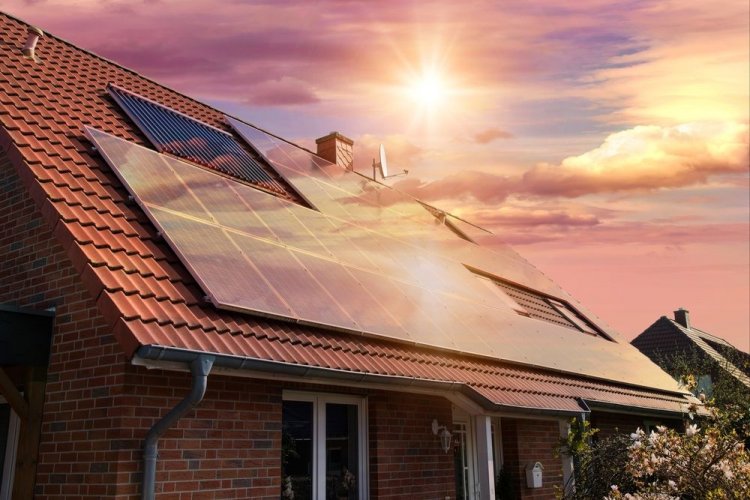
The Copernicus annual climate report showed that weather conditions behind severe heat waves are increasing the potential for solar energy production in the EU.

This could stimulate the production of "green" energy in countries not traditionally considered to be rich in solar resources, The Washington Post reports.

The report highlighted that the European continent has warmed almost twice as much on average as the rest of the globe since pre-industrial times. This causes dangerous heatwaves and droughts, but increases the potential of solar energy.

It is noted that in 2022, Europe had 130 more hours of sunshine than the average. The largest increase in sunshine hours was observed in Germany, the Netherlands and Belgium, as well as in South-Eastern Europe.

The article emphasized that in the past, aerosol air pollutants helped form clouds. However, Europe's efforts to reduce emissions have also helped reduce cloud cover.

As EcoPolitic previously reported, the annual report of the International Renewable Energy Agency IRENA showed that in 2022 the global capacity of green energy increased by 9.6% (295 GW) and reached 3,372 GW.
Related
In 2025, Ukraine issued nearly 15 million certificates of origin

The total number of renewable energy facilities in our country has exceeded 1,500

The European Parliament has called for the CBAM to be relaxed for Ukraine due to the war

The EU executive has not yet commented on this appeal

The European Commission’s dialogue with stakeholders on the EU’s single market: what businesses can expect

Public discussion of the government's proposals will continue until June 8 

The EU has updated its list of water pollutants: which substances will now be regulated

Europe is shifting from assessing the impact of individual harmful substances to monitoring based on the cumulative effect of the compounds present