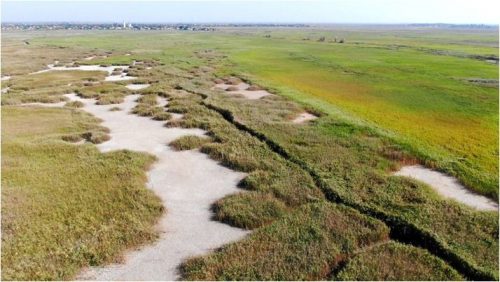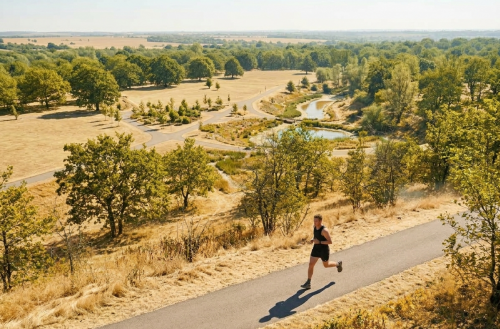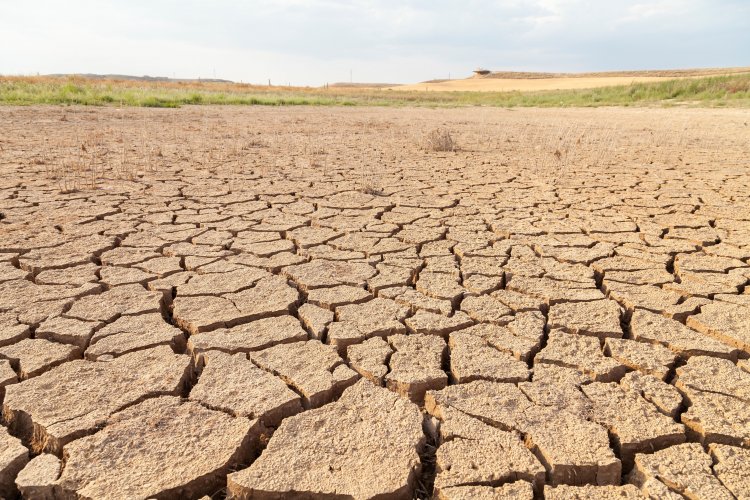
Zacarpattia runs the risk of turning into a "second Crimea", because the region is experiencing dry weather, low humidity, high air temperatures and a lack of water.
Vasyl Manichuk, the head of the regional center for hydrometeorology, stated this at an extended meeting of the Public Council at Zakarpattia region, Vasyl Bedzyr, the correspondent of "Government Courier", reports on Facebook.
He noted that in the Zacarpattian region, especially in lowland and foothill areas, there was a deficit of precipitation this summer – their total amount was 20-50% of the norm. For most territories of the region, this is the lowest indicator in the entire history of observations since 1945.
Myroslav Biletskyi, the first deputy head of the Zakarpattia military administration, emphasized that in the summer of 2022, the Uzh River could be crossed on stones at the bottom, and logs were once floated along it.
Such changes cause trees to dry out and have a negative impact on forestry and agriculture.
Vladyslav Peresolyak, head of the department of geodesy, land management and geoinformatics of the Uzhhorod National University, said that the groundwater level dropped from 3 to 9 meters in 2012-2016, and water disappeared from wells in mountain settlements.
"In order to solve the problem of providing people with water, they started delivering it by road transport, which exacerbated socio-economic problems," he added.
Oksana Stankevich-Volosyanchuk, candidate of biological sciences, associate professor of UzhNU, head of the public organization "Ekosphere", noted that earlier, due to rains or floods, water flowed into the lowlands for about 5 days. Currently, this time has been reduced to 1 day.
"Environment protection requirements are being violated: in forest management, there is continuous felling, wood trawling with the ground, not air, laying roads where they cannot be. Water is also lost due to soil erosion, which is caused by mountain trips by SUVs and ATVs," she said.
The biologist also emphasized that the rivulets that remain from such transport on the meadows turn into sewage ditches. She proposed to impose a ban on such tourist entertainment.
Acting Chairman of the Zakarpattian Regional Council Andriy Shaketa emphasized that the task for specialists will be to develop ways to retain water. In addition, it is necessary to solve the issue of erosion soils, economic activity in meadows, forests, etc. However, this requires funding.
As reported Ecopolitic before, in Zakarpattia, the water level in the largest mountain lake of Ukraine Synevir fell to a historic low, however, the lake is beyond the limit of maximum shallowing.