Residents of Lviv gave a second life to thousands of tons of organic waste per year

Residents of Lviv gave a second life to thousands of tons of organic waste per year shutterstock
Katerina Belousova

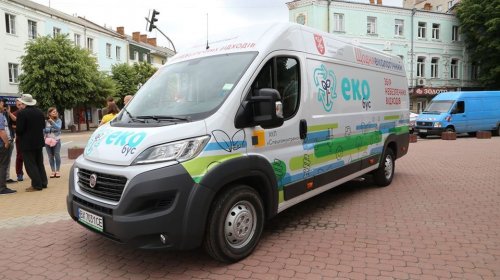
In the city, containers for organics are installed at almost all container sites

In Lviv in 2022, residents and guests of the city handed over 6330.46 tons of waste to the composting station, including 2855.36 tons of food waste, 2037.23 tons of leaves and grass, as well as 1437.87 tons of branches and wood chips.

During the year, the station was able to sell 1,051.31 tons of organic fertilizer, reports Green City on Facebook.

The message explained that for processing into organic fertilizer, the composting station accepts separately collected organic and garden waste.

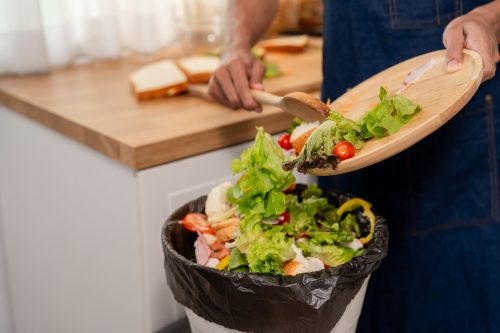
"Each of us can help organic matter get a second life. To do this, it is necessary to sort food waste at home and throw it away without bags and other garbage in a separate container," the authors emphasized.

They emphasized that in in the city, containers for organics are installed at 99% of all container sites in Lviv. In addition, the location of the nearest such container can be found by map.

Earlier, EcoPolitic wrote, that Lviv eco-activists called on Ukrainians to use biodegradable bags for collecting organic waste and further composting. Currently, they are replacing traditional ones in supermarkets.

As EcoPolitic previously reported, in the city of Lubotyn in the Kharkiv region the public composter started working in the area of ​​garages on Barabashka.

Related
Six EU countries have already met their 2030 targets for the collection of single-use plastics

Countries that have been successful in collecting single-use plastics use REW and a deposit-return system

Khmelnytskyi plans to become a zero-waste city. What steps are being taken to achieve this?

City officials emphasize that the quality of separate waste collection depends largely on residents’ environmental awareness

Up to €500,000 for destroying food: Spain is taking drastic measures to combat waste

The maximum fine applies to repeat offenses, including the intentional destruction of food products

The global waste management crisis: humanity is eight years ahead of projections

Globally, only 21% of waste is recycled, while 30% is simply dumped in open areas or not collected at all