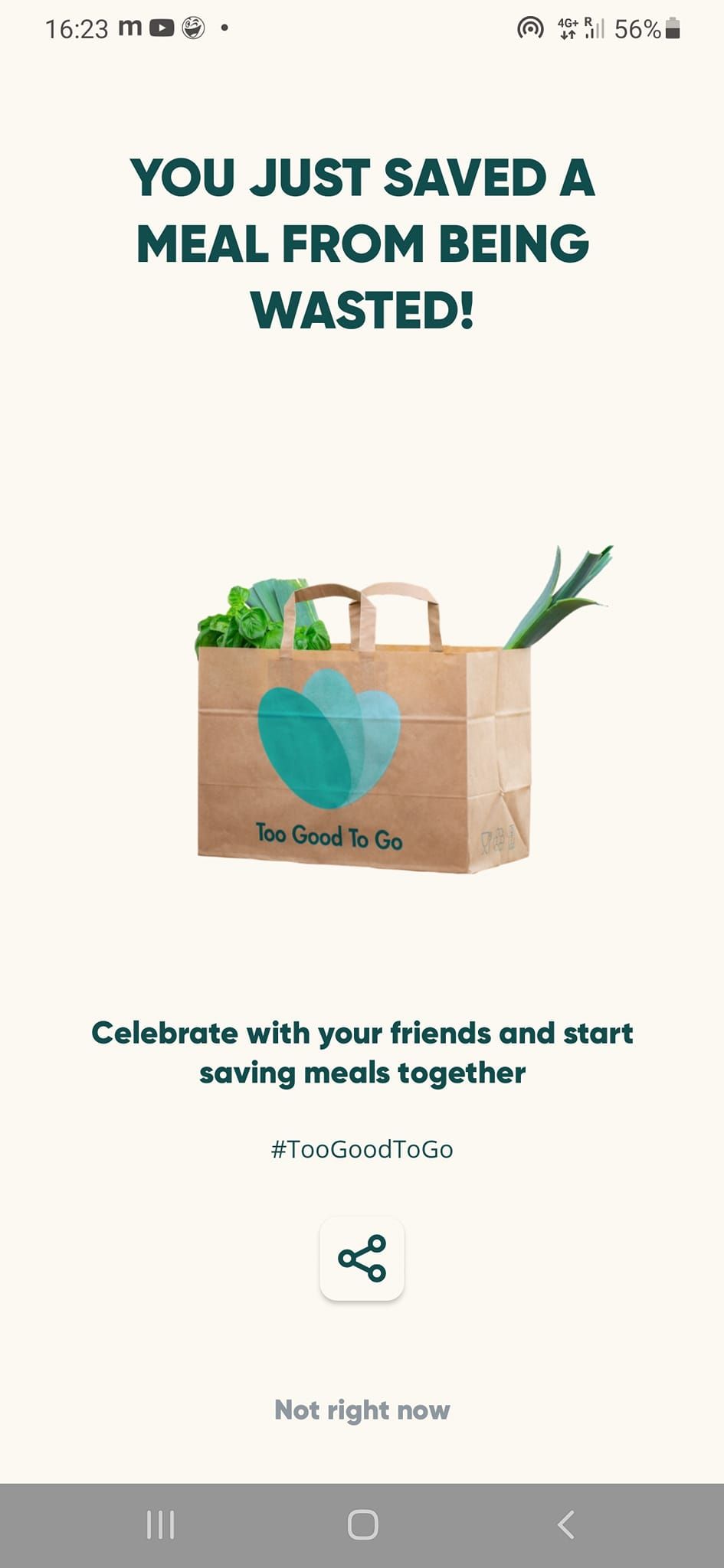
In Germany, a mobile application Too Good To Go was created to reduce the amount of organic waste in catering establishments.
This is reported by Zero Waste Lviv on Facebook.
With the help of such an application, you can buy ready meals and products much cheaper. At the end of the day, unsold leftovers are usually thrown away, so establishments reduce waste in this way. And users not only save money, but also save the environment.
How does it work?
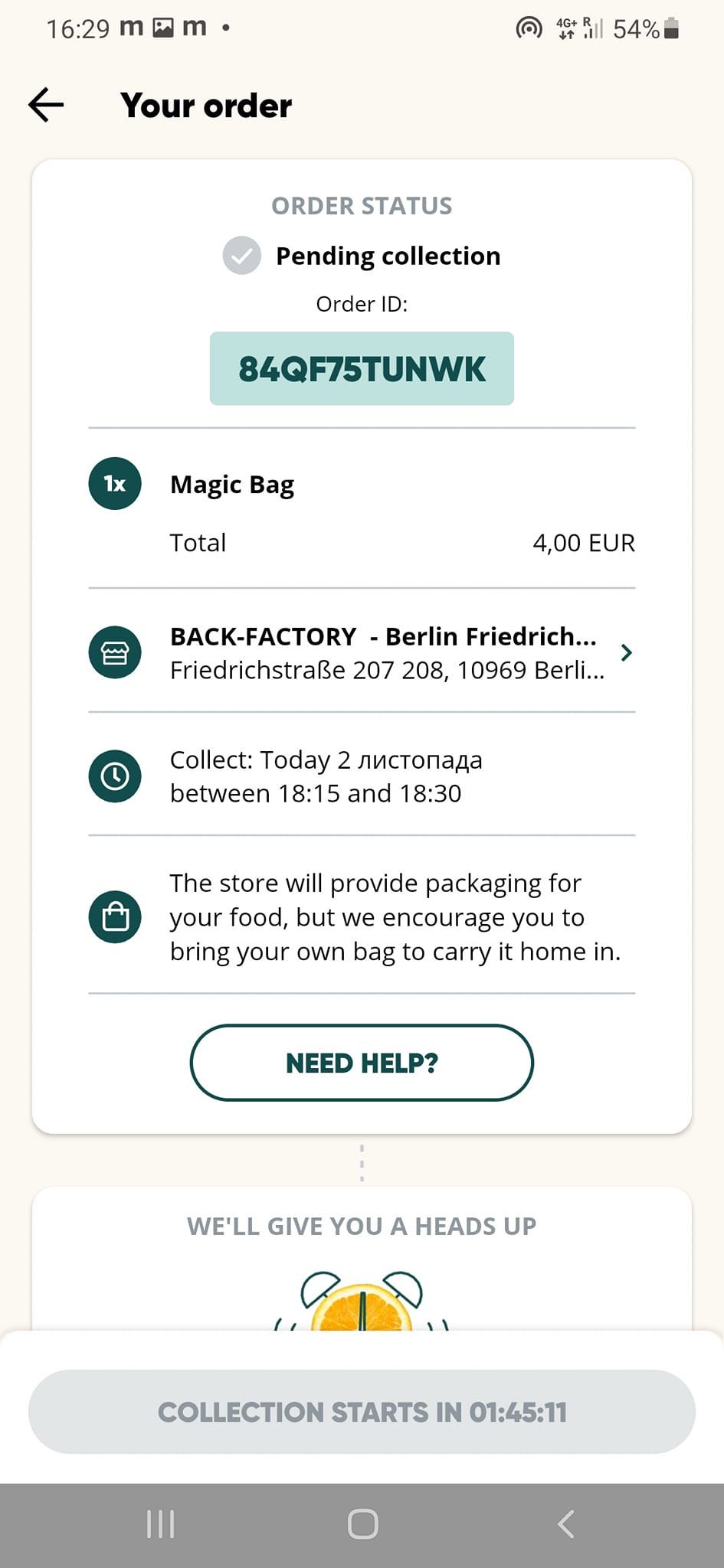
In the application, you can see a list of establishments that in the coming days will offer so-called "magic bags" — sets of their products. Either already ready, or at the customer's choice within a certain amount. For each establishment, an approximate description of the contents, its cost, the time when the package can be collected, the address and the rating are indicated. You choose the quantity, pay and come to the establishment at the specified time to pick up your order.
What's inside?
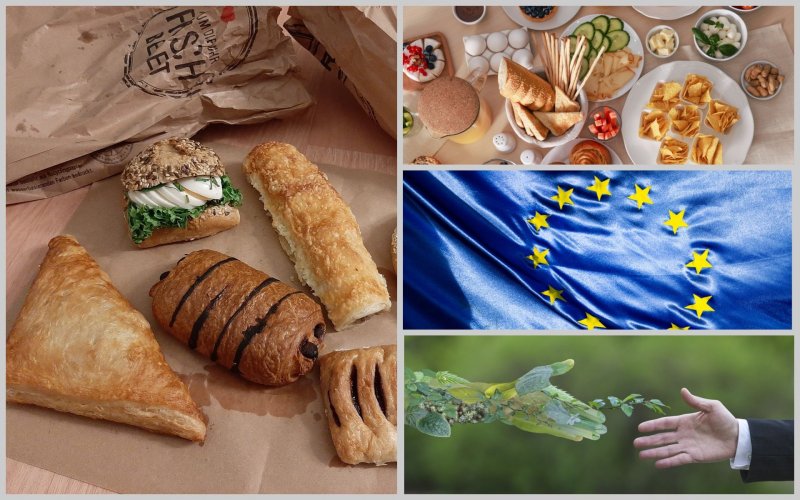
Depends on the type of institution. Bakeries offer sweet and savory pastries, sandwiches, cakes, and more. Supermarkets — own cooking, fruits and vegetables. And large hotels invite you to breakfast: the user arrives before the end of the breakfast time and receives a set of food made up of leftovers from the buffet. Or you can collect your package yourself.
How much does it cost?
For each institution, the price of the package is indicated — complete and already with a discount. Usually the final price is about a third of the full price. That is, products worth 9-12 euros can be bought for 3-4 euros.
What else can the application do?
Search allows you to search for establishments by location or type of dishes. There are also vegan options. Too Good to Go has a rather convenient personal account where you can save your favorite establishments and search criteria. And also see your own statistics: the number of purchased sets, money saved and CO2 emissions.
The application works in many European countries.
As EcoPolitic reported earlier, in Germany, the largest railway carrier Deutsche Bahn announced that from 2023 passengers will be able to order food and drinks in glass or porcelain dishes.