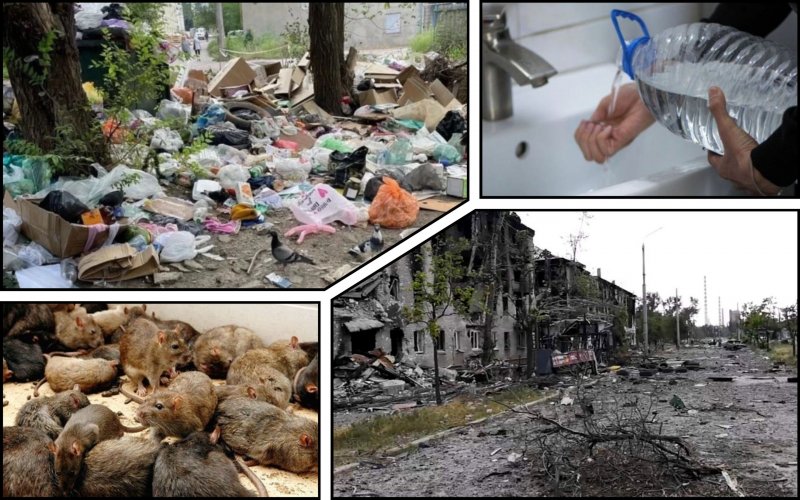
In the temporarily occupied Luhansk region, an extremely difficult humanitarian situation has developed, close to a disaster, because in the cities garbage is not taken out and water supply is systematically cut off.
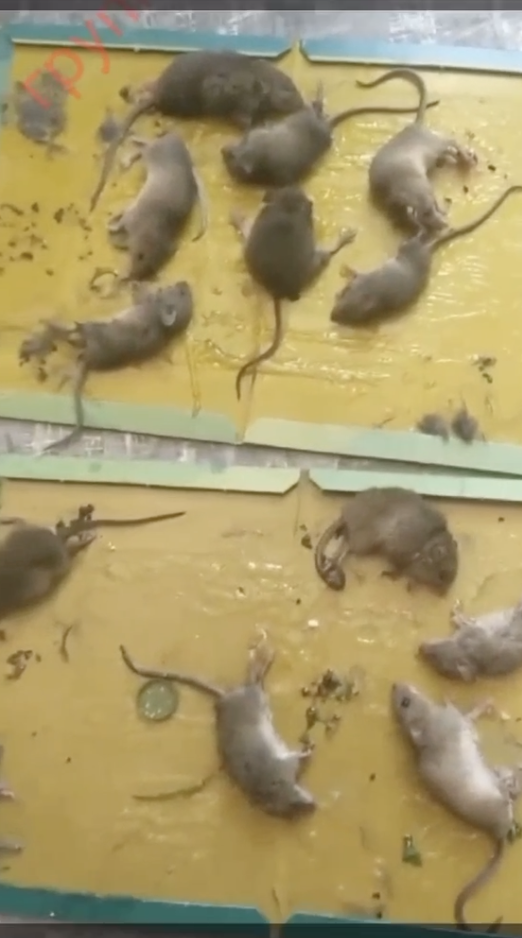
In the cities, in particular in Lysychansk, there is an influx of mice and rats, reports the head of the Luhansk Regional State Administration Artem Lysohor in Telegram.
He published a video of a resident of Lysychansk, in which she talks about the lack of gas, electricity, and water supply, and also shows what an influx of rats looks like.
"There are problems with the removal of garbage, there is complete unsanitary conditions in the cities, rubble from the destruction and no one has sorted it out yet – it is not even known whether there are still bodies of the dead under them," said Lysogor.
He emphasized that residents of Luhansk region are not provided with proper medical care. Therefore, there is a great risk of outbreaks of mass diseases.
"Rats and mice have become full-fledged owners of entire residential areas, not to mention private houses. This is how Lysychansk lives today with a "Russian measure", – said the head of the Regional State Administration.
Earlier, EcoPoliic wrote, that the head of the Luhansk regional administration, Serhii Gaidai, stated that even at the beginning of the occupation of Severodonetsk, people poisoned themselves with cadaver poison in the water, because the Russian troops did not take away their dead.
As EcoPolitic reported earlier, in occupied Mariupol, in Donetsk region, in January they stopped taking out garbage again. The city turned into a solid dump again.