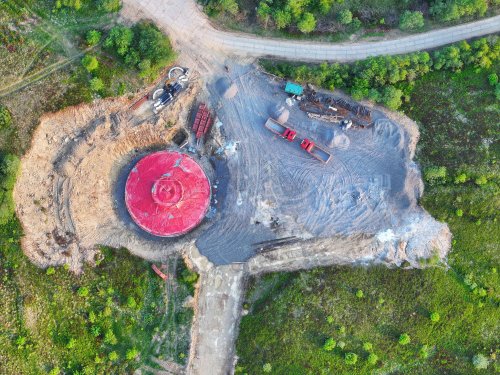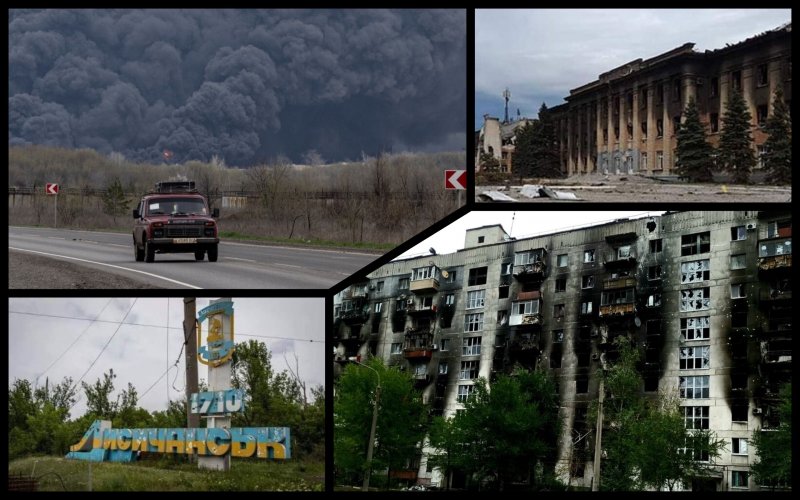
Eco-inspectors calculated that 6,030,720.00 m2 of territory was littered in the Luhansk region due to the full-scale war.
During this time, the ecological situation in the region has significantly worsened, the State Environmental Inspection reports on Telegram.
The message emphasized that intensive combat operations, the use of heavy military equipment and artillery led to the pollution of air and water resources, damage to natural ecosystems and a decrease in biological diversity.
"Ecological consequences of hostilities can cause serious damage to the environment and people's health for a long time," the press service said.
It is noted that, despite the de-occupation of a part of Luhansk region in October 2022, Russian troops continue to carry out strikes, including air strikes. Infrastructure facilities, residential and administrative buildings are destroyed, and de-occupied settlements are almost completely destroyed.
"Being in the entire territory of the region poses a threat to people's lives and health due to the high density of enemy fire," the press service emphasized.
The message emphasized that due to constant shelling there is no possibility to properly organize burials of people, they are buried right in the yards of residential buildings. Due to the lack of electricity, gas and water supply, people have to cook food on bonfires near their homes. This poses an additional threat to their life and health during shelling.
As EcoPolitic previously reported, the head of the Luhansk regional administration, Serhiy Gaidai, said that even at the beginning of the occupation of Severodonetsk, people poisoned themselves with corpse poison in the water, because the Russian troops did not take away their dead.