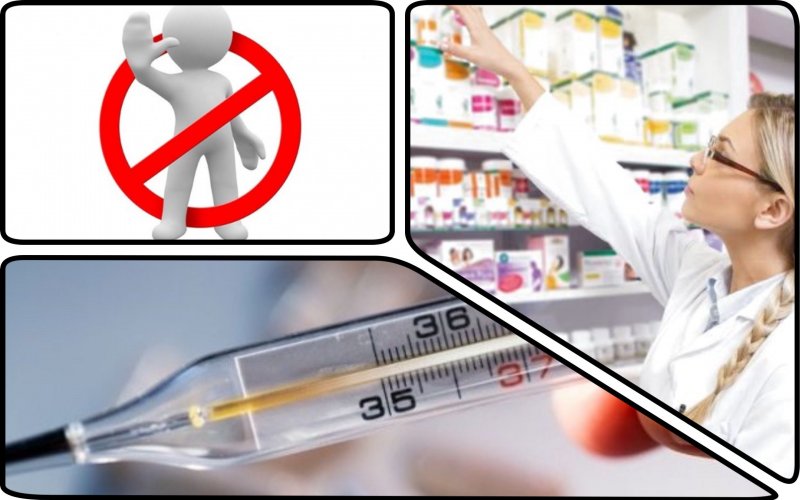
From January 1, 2024, Ukraine will stop producing, importing, and exporting goods containing mercury, including mercury thermometers and sphygmomanometers, mercury-containing lamps, cosmetic skin lighteners, dental amalgam, etc.
The Verkhovna Rada adopted the relevant bill, bill No. 0199 "On Ukraine's accession to the Minamata Convention on mercury," the Ministry of Environmental Protection and Natural Resources reports.
It is noted that the Minamata Convention on Mercury was adopted in 2013 and entered into force in 2017. It was named after the city of Minamata in Japan, where almost 2,000 people were poisoned by mercury from industrial wastewater in the late 1950s. The poisoning caused Minamata disease – a syndrome of impaired vision and hearing, and in severe cases – paralysis and impaired consciousness, the cause of which is poisoning by organic compounds of mercury.
Currently, 141 countries have joined the Convention. The document provides for a phased abandonment of the use of mercury, namely:
- restriction of supply and trade, gradual rejection of the use of mercury and its compounds;
- prohibition of the establishment of new enterprises for the extraction of primary mercury;
- existing primary mercury mining enterprises are subject to a ban until 2032;
- phase-out of production processes that use mercury or mercury compounds;
- establishing a ban on the production, import and export of products that contains mercury.
The list of prohibited goods included:
- batteries (except silver-zinc button batteries with a mercury content of <2%, zinc-air button batteries with a mercury content of <2%);
- most switches and relays;
- compact fluorescent lamps with a power equal to or less than 30 W and with a mercury content of more than 3.5 mg per lamp;
- tubular fluorescent lamps – three-band lamps with a power of less than 60 W, containing more than 5 mg of mercury;
- halophosphate lamps with a power of less than 40 W, containing more than 10 mg of mercury;
- high-pressure mercury lamps;
- various mercury lamps with a cold cathode and fluorescent lamps with external electrodes;
- cosmetic products, in particular for skin lightening, with a mercury content of more than 1 part per million, excluding mascara and other eye cosmetics (since there are no available and safe alternatives in this case);
- pesticides, biocides and antiseptics for external use;
- non-electronic devices such as barometers, hygrometers, manometers, thermometers and sphygmomanometers (devices for measuring blood pressure);
- dental amalgam (filling material that uses the ability of mercury to dissolve some metals) .
As EcoPolitic previously reported, the Verkhovna Rada adopted draft law No. 0199 "On the accession of Ukraine to the Minamata Convention on mercury" as a basis and as a whole, which introduces international rules for dealing with this poisonous metal.