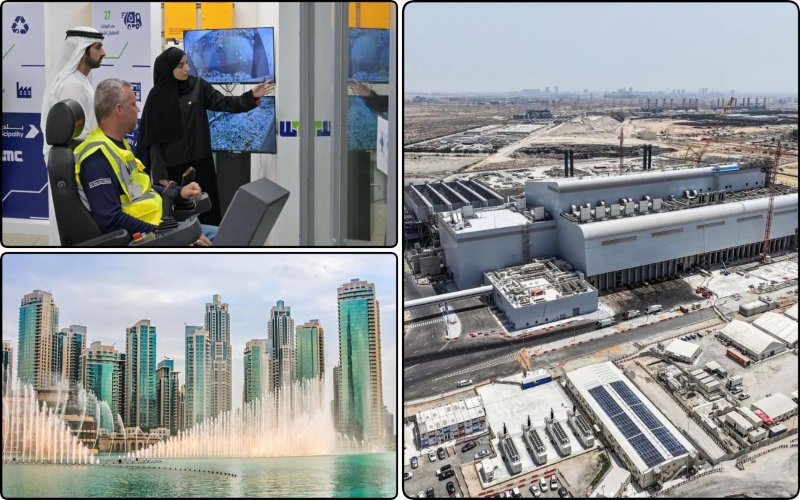
In Dubai, the United Arab Emirates launched the world's largest plant, which will process 2 million tons of waste per year into energy with a capacity of 220 MWh.
The plant is built using advanced technology, which makes it safe for the environment and also eliminates any unpleasant odors, Minute Mirror News reported.
It is noted that the cost of the project reached $1.09 billion. The plant will be able to meet the needs of 135,000 families, making a significant contribution to the energy needs of the city. And also contributes to the UAE's broader goals of diversification and environmental sustainability.
"This reinforces Dubai's status as a global leader in sustainable infrastructure," said Sheikh Hamdan bin Mohammed bin Rashid Al Maktoum.
The article emphasized that the plant will also contribute to the achievement of Dubai Municipality's strategic goal of reducing and diverting waste from landfills by 2030. In addition, the plant will reduce annual carbon emissions by 2,400 tons.
It is noted that the plant was built using the latest Japanese and Swiss technologies. All emissions generated during the process are thoroughly cleaned using a textile filter, ensuring compliance with the highest environmental standards.
The material added that the municipality signed a 35-year agreement with the Dubai Electricity and Water Authority (DEWA) to purchase energy produced at the waste treatment facility.
Earlier, EcoPolitic wrote, that in the city of Shenzhen in China, the world's largest waste incineration plant will be built, which will produce energy from waste. The plant will burn 5,000 tons of waste per day, i.e. a third of all waste generated by the city's 20 million residents.
As EcoPolitic previously reported, the City of Khmelnytskyi earned more than 6 million hryvnias in four years from the production of electricity from landfill gas, which is extracted at the local solid waste landfill.