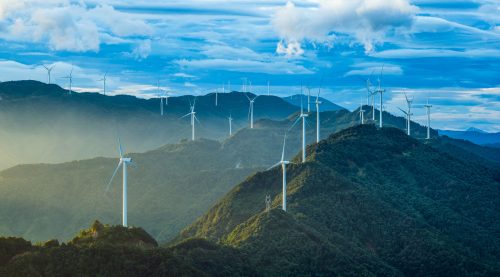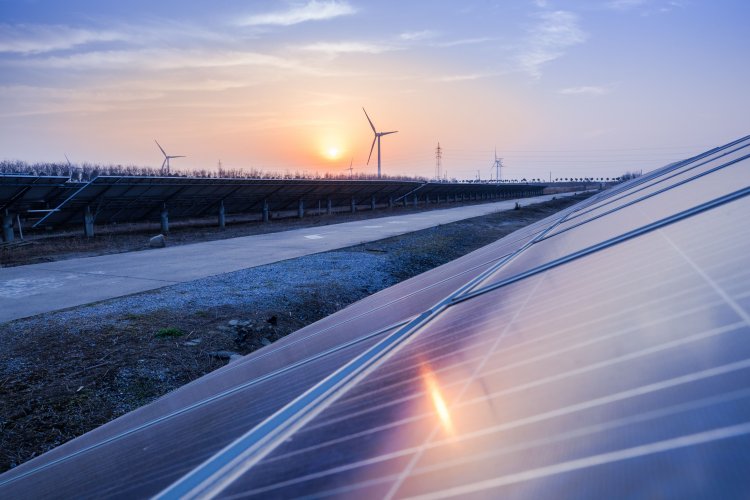
In Europe, since Russia's full-scale invasion of Ukraine, the added renewable energy capacity has replaced about 230 TWh of fossil fuel electricity, or 8.2% of annual production.
This has helped to reduce electricity prices and alleviate the cost of living crisis, Social Europe reports.
It is noted that the rise in fossil fuel prices has been the main driver of record high inflation in the euro area. In 2022, it reached 8.4%, and fossil fuel prices accounted for about half of this growth. Fossil fuel prices also contributed to higher food prices.
The article emphasized that the scaling up of renewable capacities, in particular solar and wind, helped to stabilize the situation.
According to the International Energy Agency, the accelerated deployment of renewables since 2021 has led to a reduction in wholesale electricity prices in the EU by 8% in 2022 and 15% in 2023. In absolute terms, these savings will amount to approximately €95 billion by the end of 2023.
It is noted that the potential of green energy to provide lower and more stable prices will only grow. After all, the prices for fossil energy traditionally rise, while those for RES – fall. For example, since 2014, prices for key green energy technologies have more than halved.
“Unlike fossil-fueled power plants—large, complex, custom-built—renewable energy technologies are mostly modular, standardized, and mass-produced. This creates economies of scale, as production volumes increase," the material explained.
The transition to renewable energy sources is expected to make energy relations more horizontal and polycentric, reducing the monopoly of producers. In addition, potential disruptions in the supply of critical minerals and green technology equipment will have less immediate and severe consequences compared to shocks in the supply of fossil fuels.
The article emphasized that achieving this promising future requires the expansion of energy production from renewable sources and related infrastructure, including power grids, with a gradual shift away from fossil fuels. To do this, we need to take the right political measures today.
"Fossil fuels have only exacerbated the economic and political instability of recent years. Renewable energy sources can become a pillar of future stability," the article emphasized.
Earlier, EcoPoitic wrote, that Reuters market analyst John Kemp stated that in Europe the energy crisis is over, the acute phase of which lasted from mid-2021 to the end of 2022, and energy markets have adapted.
As EcoPolitic previously reported, a study by the Potsdam Institute for Climate Impact Research showed that Europe needs to spend about €2 trillion by 2040 to completely abandon fossil fuels and create a self-sufficient energy sector.