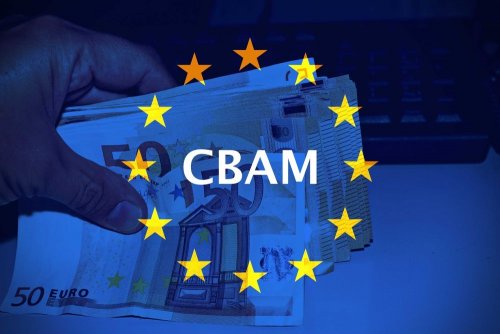
EU negotiators have reached an agreement on the Carbon Border Adjustment Mechanism (CBAM), which will cover hydrogen imports, among other goods.
Negotiations on the gradual cancellation of free emission credits for exporters should take place on Friday-Saturday, December 16-17, reports Politico.
The report explained that negotiators agreed to extend the carbon tax to hydrogen, hoping that all sectors covered by the Emissions Trading System, which are at risk of carbon leakage, would be included by 2030.
CBAM will cover:
- iron and steel;
- cement;
- fertilizers;
- electricity;
- aluminum.
The material noted that CBAM will also include indirect emissions.
At the negotiations on December 16-17, the issue of the terms of the gradual cancellation of free emission permits – carbon certificates, which are given to manufacturers to protect their competitiveness – will be considered. The participants will also discuss how to guarantee the competitiveness of exporters, which may be undermined by rising costs.
The article emphasized that the carbon tax is considered key to preventing "carbon leakage".
"This is the only mechanism we have to encourage our trading partners to decarbonize their industries," said speaker Mohammed Chahim.
CBAM is part of EU policy measures aimed at avoiding catastrophic climate change by reducing EU emissions by 55% by 2030 compared to 1990 levels.
Reuters noted that CBAM – the world's first scheme aimed at supporting European industry as it decarbonises. After all, importing companies will be required to purchase certificates covering their built-in CO2 emissions.
"The scheme is designed to apply the same cost of CO2 emissions to foreign firms and domestic EU industry, the latter of which are already obliged to buy permits on the EU carbon market when they pollute," the authors explained.
They also noted that the purpose of the levy is to prevent the destruction of European industry by cheaper goods made in countries with weaker environmental regulations.
However, companies will be exempt from paying the carbon tax if their countries have equivalent climate change policies to the EU.
"The EU plan has faced criticism from other countries, including China, and comes amid escalating trade tensions with the US over Inflation Act subsidies for 'green' technologies that the EU says could hurt European companies," the material says.
Earlier, EcoPolitic wrote, that the specialists of the PricewaterhouseCoopers (PwC) consulting and audit network called on importers from multinational corporations prepare for the implementation of the carbon border adjustment mechanism (CBAM).
As EcoPolitic previously reported, in the global fight against climate change, it is important to revise the standards of world trade policy. The solution lies in tax increases for dirty goods and exemption from tariffs for green goods.