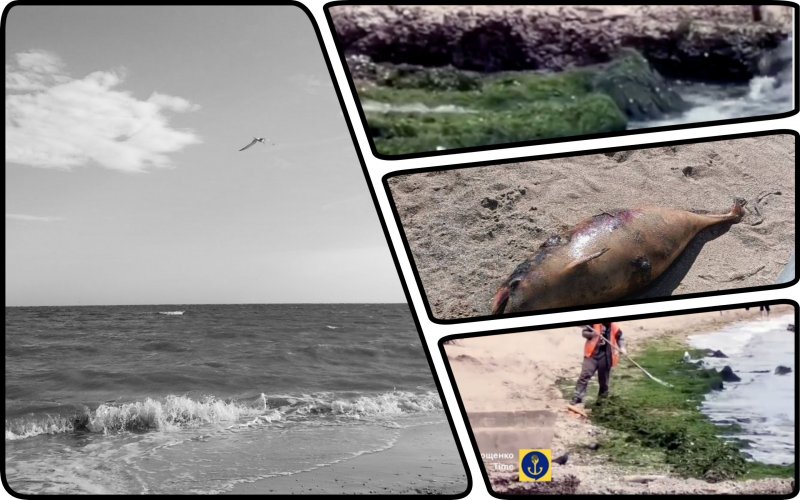
A mass death of algae was recorded in the Sea of Azov near the occupied Mariupol in Donetsk region.
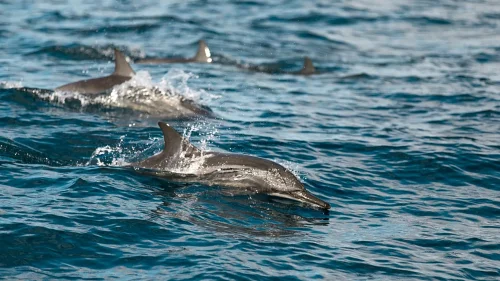
Also, the death of dolphins was recorded in the water area more than once, the adviser to the mayor of Mariupol, Petro Andryushchenko, reported in Telegram.
He said that he had never seen such a mass death of marine plants in his lifetime.
Andryushchenko emphasized that the consequences of the environmental disaster are being recorded in Russian cities, in particular in Rostov-on-Don and Yeisk, located on the coast of the Sea of Azov. However, the occupiers do not take any action.
"The only conclusion that can be drawn is that the ecology of Azov and the Azov region is facing a "hook" and urgent intervention is needed for the sake of salvation. It's not too late," he said.
The mayor's adviser added that an influx of insects was also recorded in the city.
Earlier, EcoPolitic wrote, that in occupied Mariupol, the Kalchika River was completely filled with slag in the area of the destroyed bridge on Kuindzhi Street. Earlier, the occupiers filled Kalchyk near the Extreme Park, and the water pipe was routed through a pipe. This can destroy the ecosystem of the Sea of Azov.
As EcoPolitic previously reported, in Mariupol the occupiers decided to combine the Starokrym and Pavlopil reservoirs, because the Kalchyk River filled with them will not be able to provide even the minimum needs of the city. This could simultaneously destroy both reservoirs, their ecosystems, and the ecology around the city.