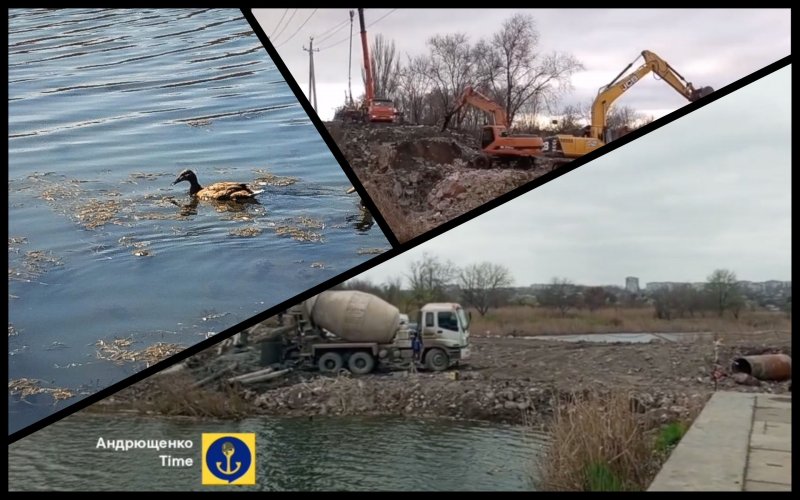
In Mariupol, the occupiers decided to combine the Starokrymske and Pavlopil reservoirs, because the Kalchyk River filled with them will not be able to provide even the minimum needs of the city.
However, this can simultaneously destroy both reservoirs, their ecosystems and the ecology around the city, the advisor to the mayor of Mariupol Petro Andryushchenko reports in Telegram.
He explained that currently the water comes from a reserve reservoir in the Old Crimea. It is filled primarily through the Kalchyk stream, the flow of which was stopped by the occupiers, and the river itself was filled up.
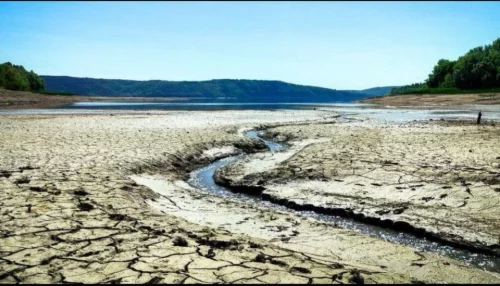
"In the summer, in the heat, the water level will not be enough for Mariupol's water supply, even at a minimum, and the blocked Kalchyk will not allow the reservoir to recover," Andryushchenko explained.
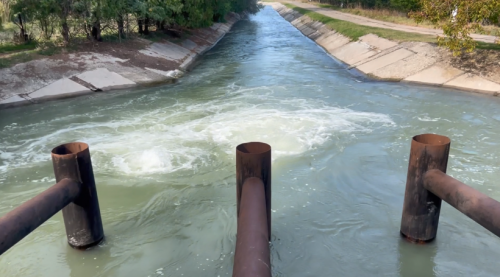
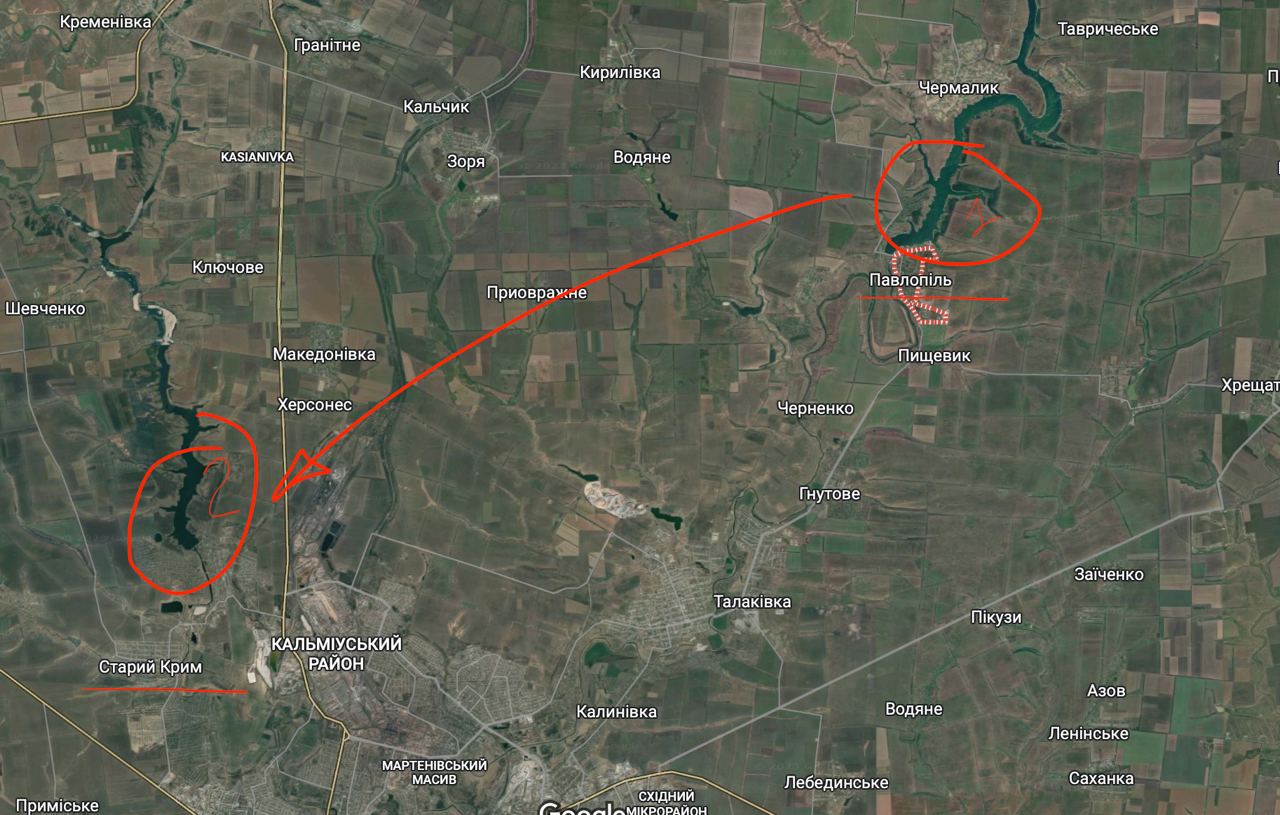
He added that the occupiers found the city council's project for a new water supply and decided to implement it. However, the unification of the Old Crimea and Pavlopol reservoirs provides for the normal operation of the Siverskyi Donets canal. However, it does not work, which is why there is no water in Donetsk.
Andryushchenko showed on the map how the channel between the reservoirs will be built.
"What's next? Will the rivers dry up? Desalination of the Sea of Azov? What else the Russians will invent to kill the ecology of Azov - one can only guess," he wrote.
Earlier, EcoPolitic wrote, that in occupied Mariupol, the Kalchika River was completely covered with slag in the area of the destroyed bridge on Kuindzhi Street.
As EcoPolitic previously reported, in Mariupol in December 2022, the occupation authorities dismantled a brick mini-dam on the Kalchik River, which protected the river from waterlogging. Now the flow of the river has slowed down, its waters have become gray-green in color and have a strong smell of decay, and Kalchik itself has begun to turn into a swamp.