Minister of Environmental Protection and Natural Resources Ruslan Strilets said that Ukraine is initiating the introduction of the Aggressor refunds mechanism to force Russia to compensate for the damage caused to the environment and climate.
At the COP28 climate conference, he emphasized that the world should support bringing those responsible for bringing the planet closer to climate catastrophe to justice, Strelets wrote on his Facebook page.
Strelets explained that Ukraine seeks to include this mechanism in the Paris Agreement.
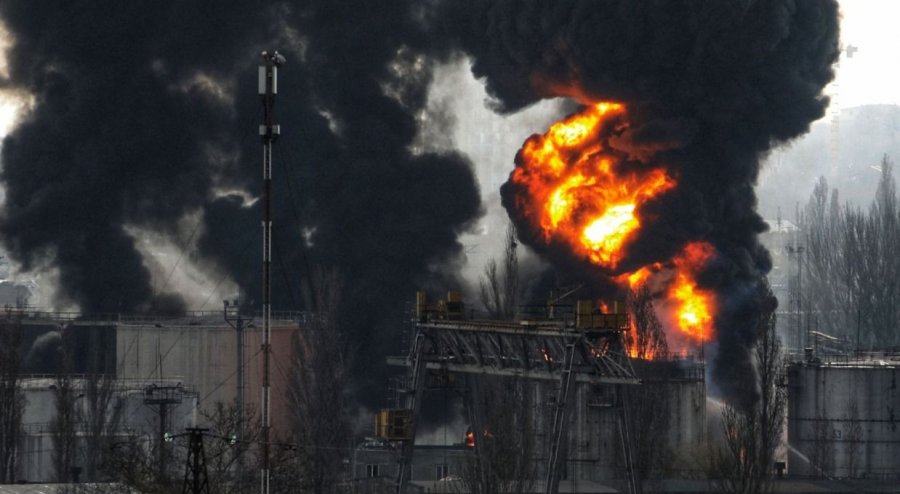
"We propose, together with the international community, to develop a mechanism for compensating the aggressor for the damage caused to the environment and climate as a result of armed conflicts. After all, emissions of greenhouse gases during a war should be the responsibility of the initiator of such a war, he emphasized. "While the world is trying to reduce its carbon footprint on the planet, Russia is destroying these decades-long aspirations every day."
According to him, a full-scale war has already led to significant consequences that exacerbate climate change, for example:
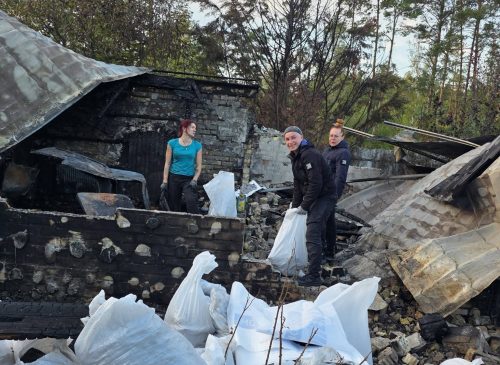
- greenhouse gas emissions from the war in Ukraine already reach 150 million tons;
- as a result of fires caused by the war, the greenhouse gas absorption potential of Ukrainian forests is annually reduced by 175 thousand tons of CO2-equivalent;
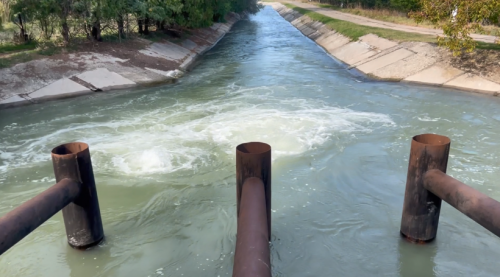
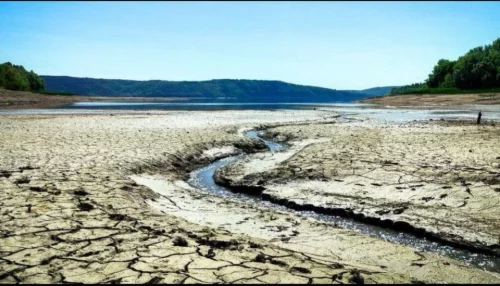
- almost 10,000 hectares of wetlands of international importance were destroyed as a result of the explosion of the Kakhovskaya HPP in Ukraine. These territories could potentially absorb up to 20,000 tons of CO2.
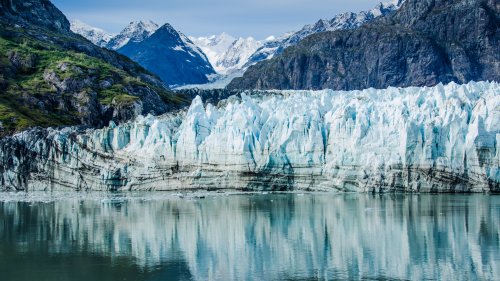
The shooter emphasized that as a result of Russian aggression, such as emissions from missile attacks and fires, a significant amount of greenhouse gases entered the atmosphere. This can lead to or intensify destructive cataclysms, floods, tsunamis, earthquakes.
He added that Ukraine is creating tools that will help the world prevent wars and armed conflicts in the future.
"We call on all countries of the world to join our initiatives and contribute to joint work to protect the environment and climate from military actions," said Strelets.
Earlier, EcoPolitic wrote, that Deputy Minister of Environmental Protection and Natural Resources Viktoriya Kireeva said at the COP28 climate conference that as a result of full-scale Russian aggression, 150 million tons of CO2-equivalent entered the atmosphere in 18 months. Climate damage that Russia must compensate is estimated at $11 billion.
As EcoPolitic previously reported, the head of the European Climate Fund (ECF), Professor Laurance Tubiana, stated that through diplomacy and propaganda Russia is trying to harm Europe's green transition and is sabotaging international climate negotiations.