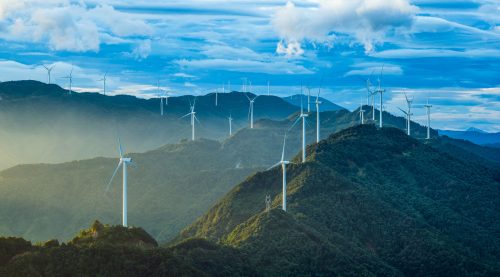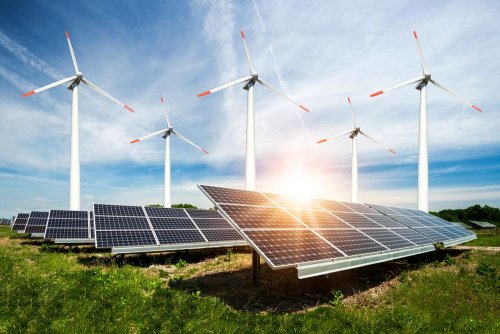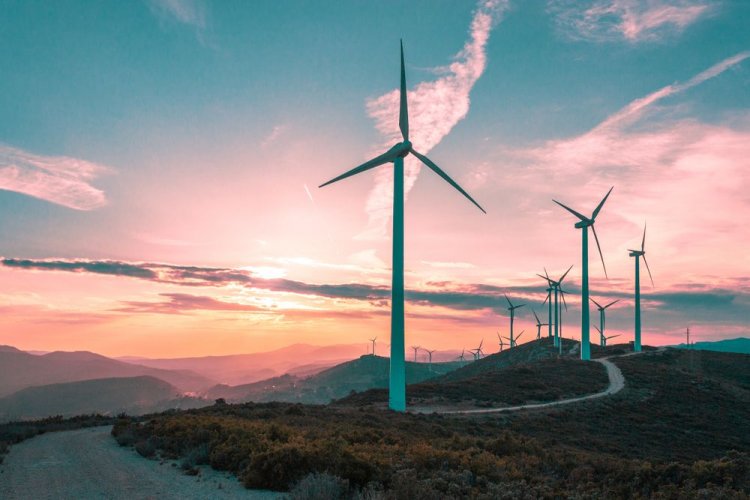
In the UK, Community Windpower has halted construction of the 44-turbine Sanquhar II wind farm due to the renewable energy surplus tax.
The company said that the badly needed project will not be implemented due to an unfair fee set for new RES power plants, reports Energy Voice.
It is noted that the first phase of wind turbines in Dumfries (Scotland) was supposed to be launched in the summer of 2025. The power plant would create 200 jobs and provide energy to 350,000 homes.
Community Windpower said the project suffered a "triple blow" in particular due to significant cost increases. After all, the cost of its implementation increased from 300 million pounds to 500 million.
"We can't get the return on capital we need to cover the bank's funding requirements," Community Windpower managing director Rod Wood explained.
The article highlighted that in 2022, the Renewable Energy and Clean Technologies Association (REA) warned that such a tax would affect the country's energy security, increase electricity bills and slow down the green transition.
It is noted that in 2023 Vattenfall also stopped development of the Norfolk Boreas offshore wind farm project due to rising costs.
"Higher inflation and capital costs affect the entire energy sector, but the geopolitical situation has made offshore wind energy and its supply chain particularly vulnerable. Overall, we are seeing an increase in costs of up to 40%," explained Vattenfall.
Community Windpower called on the government to:
- make changes to the taxation scheme to exempt new RES projects from taxation;
- provide investment benefits for both the oil and gas sector;
- introduce provisions on the expiration of the tax period.
Earlier, EcoPolitic wrote, that three wind energy companies have abandoned the implementation of their large offshore projects of 3.5 GW due to a significant increase in the costs of their implementation.
As EcoPoliticspreviously reported, an analysis by clean energy researchers from BloombergNEF showed that the growth rate of the wind energy industry in 2022 fell to its lowest level in three years.