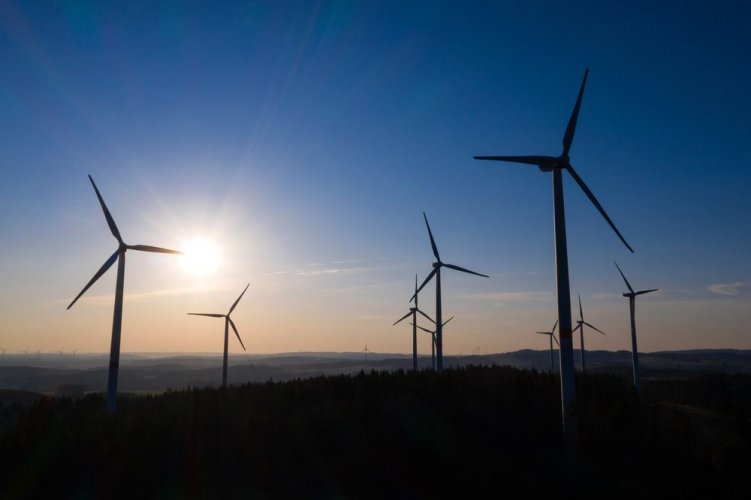
An analysis by clean energy researchers at BloombergNEF found that the wind industry's growth rate in 2022 fell to its lowest level in three years.
The slowdown in development is associated with a rapid increase in costs and changes in government policies, reports Energy Voice.
"Governments around the world are increasing their ambitions for decarbonisation, and at the same time new projects are slowing down on the ground," said analyst Christian Dinka.
The article emphasized that in 2022, more than half of the world's new wind power plants will be built in China (37.6 GW), despite the expiration of state subsidies. Yes Xinjiang Goldwind Science & Technology Co. became the world's largest developer of turbines, overtaking the Danish giant Vestas Wind Systems.
The article explained that China has the most fragmented wind turbine market in the world. More than ten turbine manufacturers are in fierce competition, driving down prices.
It is noted that despite reaching 2022, the growth rate of wind energy was lower than in the previous 2 years. In 2023, the country is expected to install 61 GW of wind capacity, including about 10 gigawatts of offshore.
"In the US, the drop in the value of production tax credits for wind projects has dealt a blow to the industry," the article emphasized.
Onshore wind growth was the weakest in four years, falling 37% from 2021, according to industry group American Clean Power. And projects in the nascent offshore industry are being delayed and scaled back by inflationary pressures and supply chain issues.
The material added that in Europe, the addition of wind energy has increased to a record level. However, there are challenges for large projects. After all, their investment value is increasing.
It is noted that in Great Britain, Europe's largest offshore wind energy market, projects worth $25 billion may not be implemented without further help from the government.
Earlier, EcoPolitic wrote, that the annual report of the International Renewable Energy Agency IRENA showed that in 2022 the global capacity of green energy increased by 9.6% (295 GW) and reached 3,372 GW.
As EcoPolitic previously reported, Finland, Sweden, Estonia, Latvia, Lithuania, Poland and Denmark have pledged to increase wind energy production sevenfold by 2030 – from less than 3 GW to 20 GW.