In the United States, researchers at the Massachusetts Institute of Technology have developed a desalination plant for solar panels, which can turn seawater into high quality drinking water.
The technology is based on "filling" the water with electricity to remove salt molecules, bacteria and viruses, according to INDEPENDENT
Device designed for non-specialists, and can be controlled wirelessly with a smartphone app. It also does not need to replace high-pressure filters and pumps like other commercially available desalination plants.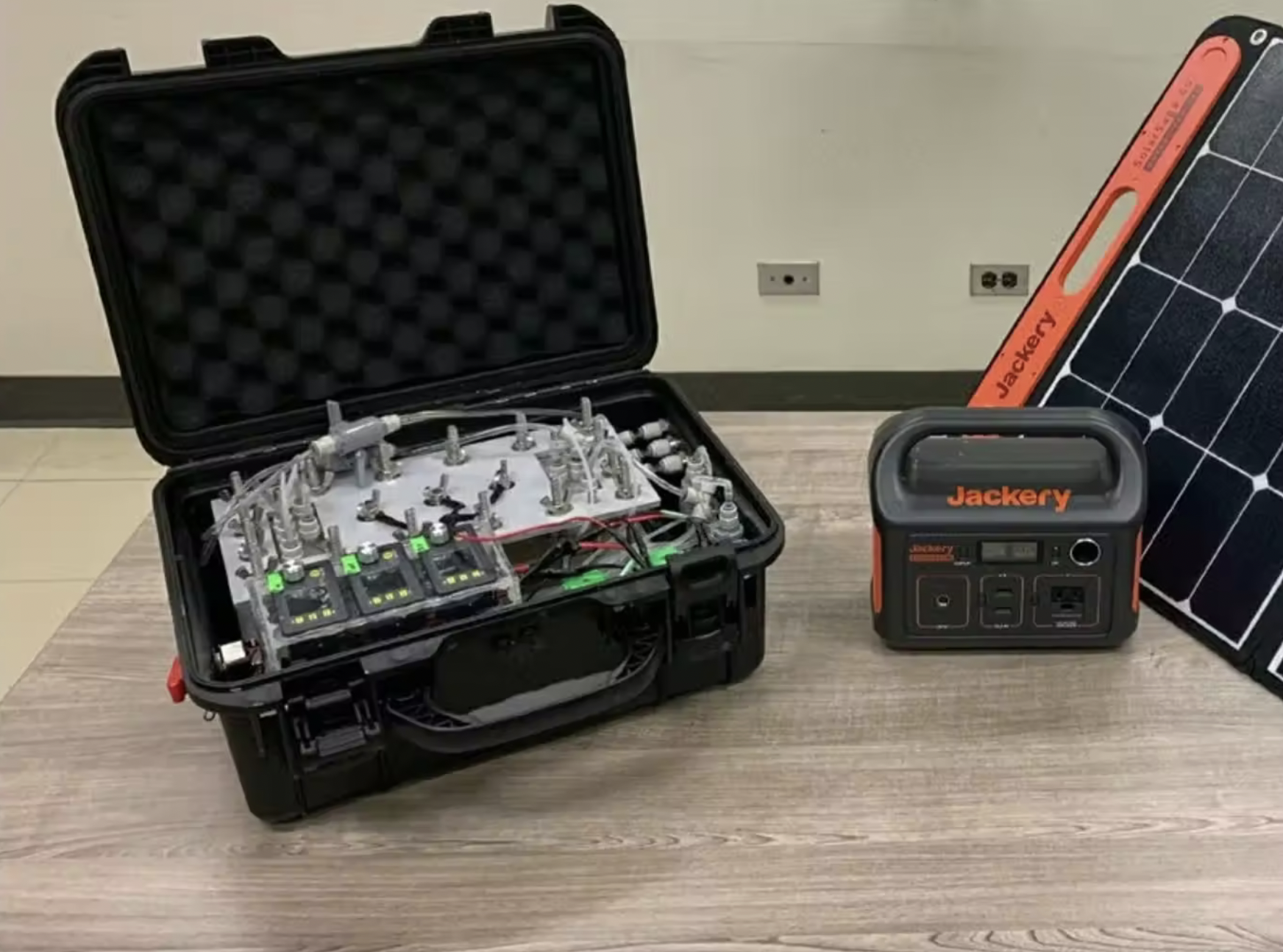 The device is the size of a suitcase, weighs less than 10 kilograms and can be powered by a portable solar panel. This makes it suitable for use in remote areas with very limited resources.
During testing, the prototype, which was developed over 10 years, produced 0.3 liters of drinking water per hour directly from the sea.
"We've been working on the physics behind some of the desalination processes for years, but putting all these achievements into a box, building a system and demonstrating it in the ocean has been a really meaningful and rewarding experience for me," said John Yoon Khan, a professor of electrical engineering. at the Massachusetts Institute of Technology.
The water produced by the desalination plant exceeds WHO quality standards due to a two-stage process that removes both dissolved and suspended solids.
Researchers are currently working to increase production.
However, other scientists who did not participate in the research, noted the limitations of the current prototype, because its production requires expensive materials. They called for cheaper technology.
As reported EcoPoliticа before, by 2050, Ukraine may be forced to start import clean drinking water.