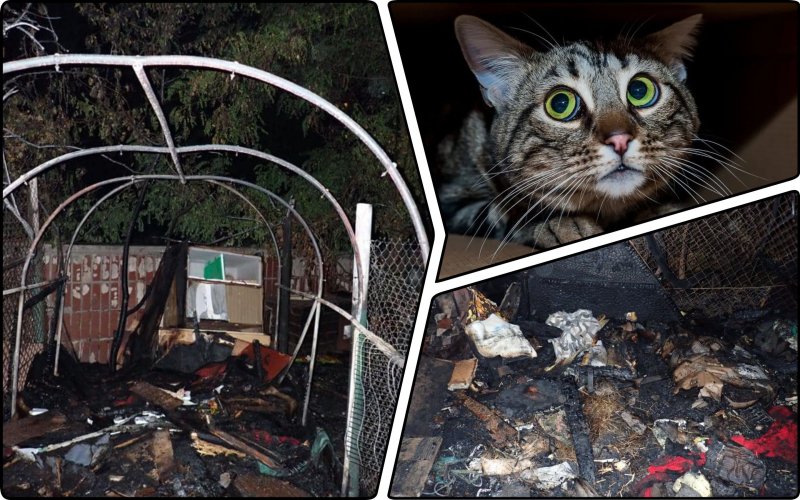
A fire broke out in the "Kotokhata" animal shelter in Kyiv in the Holosiivskyi district, where 21 kittens out of about 60 residents of the shelter died.
The police have opened criminal proceedings, because the probable cause of the fire was arson, the Kyiv Police reported on Facebook.
According to the animal welfare public organization UAnimals, as of Monday, August 25, at 3 p.m., 21 kittens had died.
The police said that the fire started on September 23, around 11:00 p.m. Firefighters extinguished the fire. The surviving cats with burns were taken to a veterinary clinic.
"The issue of entering information into the Unified Register of Pretrial Investigations under Art. 299 of the Criminal Code of Ukraine – cruel treatment of animals," the message reads.
Law enforcement officers urged eyewitnesses to contact the Holosiiv police department ( 063 445 79 73) or hotline 102.
Natalya Petrushchenkova, who set up a shelter for cats, said that out of 7 rescued cats that were sent to the vet clinic, only one survived.
Animal rights activists added that, in addition to burns, the immediate danger is the toxins that the animals breathed in during the fire, because they put a significant strain on the kidneys.
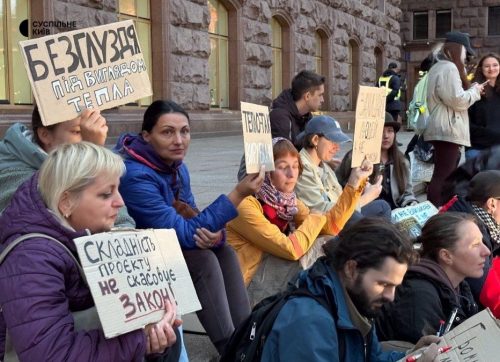
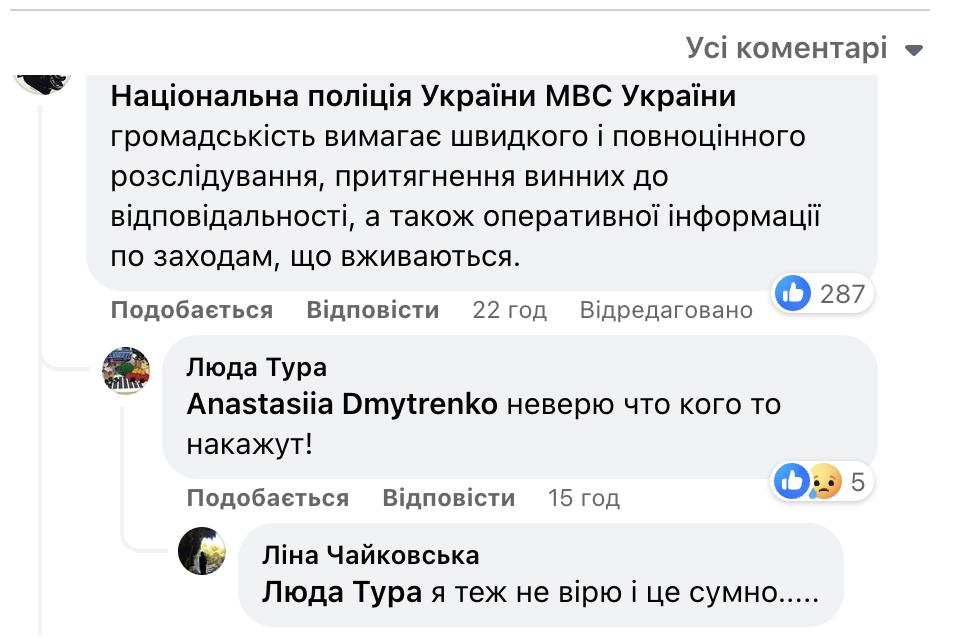
Social network users were outraged by such a display of animal cruelty. Some users do not believe that the culprits will be brought to justice, because in Ukraine, the norms of Law No. 3447-IV "On the Protection of Animals from Cruelty" are systematically neglected.
"Worse than orcs," wrote user Yulia Kovalenko. – I hope that the law enforcement officers will find the culprit and he will be punished for the criminal offense. This should not get away with it."
People were also outraged by the police's reaction to alleged animal cruelty
"What does it mean to resolve the issue of animal cruelty? Isn't this abuse of animals?", Dmytro Zinchenko commented.
In the story of ICTV Facts said that, according to local residents, there were two explosions, after which a fire broke out. Many animals died and were cared for. Most of the inhabitants of the shelter were kittens and their mothers. Some animals return to the fire.
Earlier, Ecopolitic wrote, that in the Kyiv region, animal rights activists under the guise of potential buyers rescued a red book lynx, which black traders were selling on the OLX platform for $4,000.
As EcoPolitic previously reported, in Kyiv a 90-year-old chestnut tree near the Landscape Alley on the territory of the National Museum of the History of Ukraine may be cut down within several days. The general director of the museum agreed to keep the tree if it is treated, but for now he has stated that he will sue the "Kyivzelenbuda" association in court if the chestnut is not destroyed.