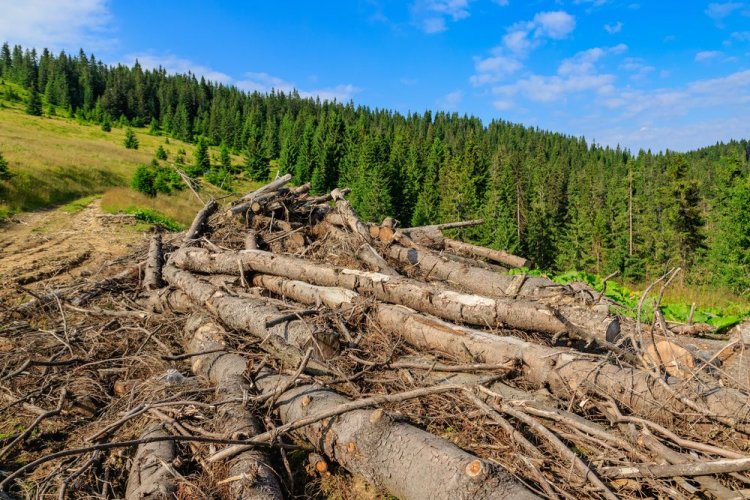
Brazilian President Jair Bolsonaro has signed a decree to increase fines for environmental crimes. The maximum possible fine will increase by 50 times.
Such a measure is aimed at protecting the Amazon rainforest from logging, reports Reuters.
The resolution toughens the liability for falsification of documents to conceal illegal logging. Specifically, bringing illegally harvested wood into the supply chain would result in an additional penalty of 300 Brazilian reais (about $59) per cubic meter, and the maximum possible fine would increase from 1 million reais to 50 million reais ($10.2 million).
Earlier, the leader of the Latin American country, Jair Bolsonar, criticized the practice of environmental fines. Promises to reduce the regulatory burden on Brazilian farmers were part of the politician's campaign for the 2018 presidential election.
Saving the Amazon, the world's largest rainforest, is critical to preventing catastrophic climate change due to the massive amount of carbon that causes warming, experts say.
Before EcoPolitics reported that the largest clothing brands, including Adidas, Prada, Zara, were accused of involvement in deforestation of the Amazon despite their participation in programs of minimum harmful impact on the environment.