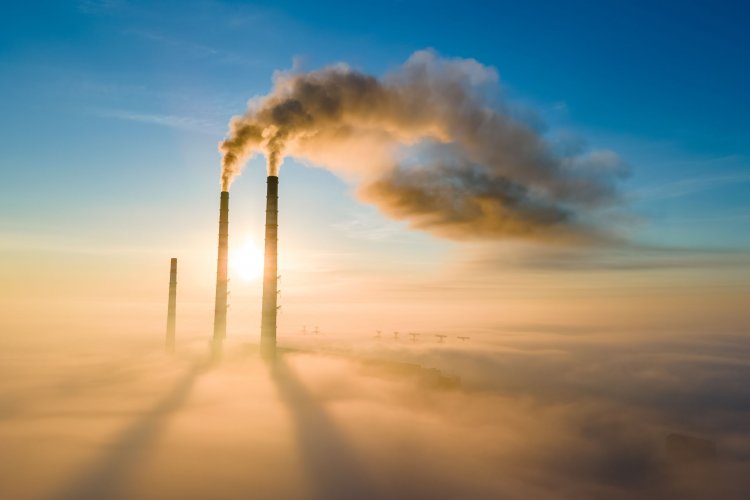
The level of greenhouse gases in the air reached record levels in 2023

The level of greenhouse gases in the air reached record levels in 2023 shutterstock

Elizaveta Volkotrub

NOAA announces 2023 carbon dioxide emissions rise to third highest in 65 years of record keeping

The level of greenhouse gases in the air in 2023 reached a historic high, growing at a record pace. The impact of methane on the global temperature increase was about 30%, while the level of carbon dioxide was almost twice as high.

This was reported by the US National Oceanic and Atmospheric Administration (NOAA) in its report, The Associated Press reports.

Scientists note that the growth of carbon dioxide emissions was not as fast as in 2014 and 2015, but the total volume was the highest in 65 years of observations.

Carbon dioxide emissions from fossil fuel combustion and cement production also reached a record high of 36.8 billion metric tons. This is double the level recorded 40 years ago.

The NOAA report says that over the past five years, the level of methane in the air has increased by 3% and, compared to pre-industrial levels, has jumped by 160%. The rate of its formation is faster than that of carbon dioxide.

The US Environmental Protection Agency emphasized that methane retains about 28 times more heat per molecule than carbon dioxide. However, it remains in the atmosphere for about a decade, not for centuries or millennia, like carbon dioxide.

As Ecopolitic previously reported, a study by the climate think tank Ember showed that global carbon emissions from energy production peaked in 2022 and will begin to decline in 2023.

Related
EU countries are siding with the oil lobby and the US to delay new rules on methane emissions

Critics point to the lack of infrastructure and the threat to energy imports

The transition to clean energy is the cornerstone of global energy sustainability — BloombergNEF

An important factor is the electrification of production processes and transport

The poorer EU countries are calling for increased funding for the Carbon Modernisation Fund

The fund’s resources are used to support projects that promote the phase-out of fossil fuels

The technical details of SWEDAC’s accreditation of CBAM verifiers have been announced

The NAU is, in essence, a subcontractor and has no influence whatsoever on decisions regarding accreditation