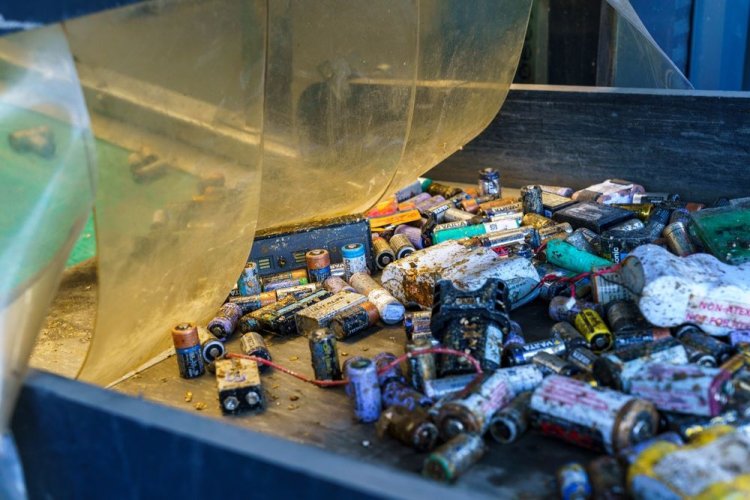
In Ukraine, the recycling of used batteries is underdeveloped, as most batteries still end up in landfills instead of being recycled, where they pollute the environment.
This was stated in a comment by Tetyana Tymochko, head of the All-Ukrainian Ecological League, as reported by RBC-Ukraine.
According to Tymochko, a single battery can contaminate up to 20 square meters of soil and hundreds of liters of water with heavy metals such as mercury, cadmium, or lead. In addition, if batteries are disposed of improperly, they release toxic substances that pose a threat to soil and water bodies when they enter the environment.
“The situation is gradually changing. There are specialized companies and public initiatives in Ukraine that accept batteries, mercury lamps, and electronics for recycling,” Tymochko said.
The expert added that collection points for used batteries are mainly located in large cities and their number remains limited.
Where to take old batteries for disposal
Currently, there is a nationwide eco-movement in Ukraine called “Batteries, Surrender.” The organization collects used batteries and sends them to European factories for recycling. Representatives of the “Hand in your batteries” project periodically report on the disposal of used batteries collected in Ukraine.
Battery collection points are located in the networks of project partners Silpo, Epicenter, JYSK, Novus, Comfy, and WOG, as well as at other locations shown on the “Hand in your batteries” eco-movement map. Up to 50 old batteries can be handed in during one visit. If you have more than that, you need to call the project hotline.
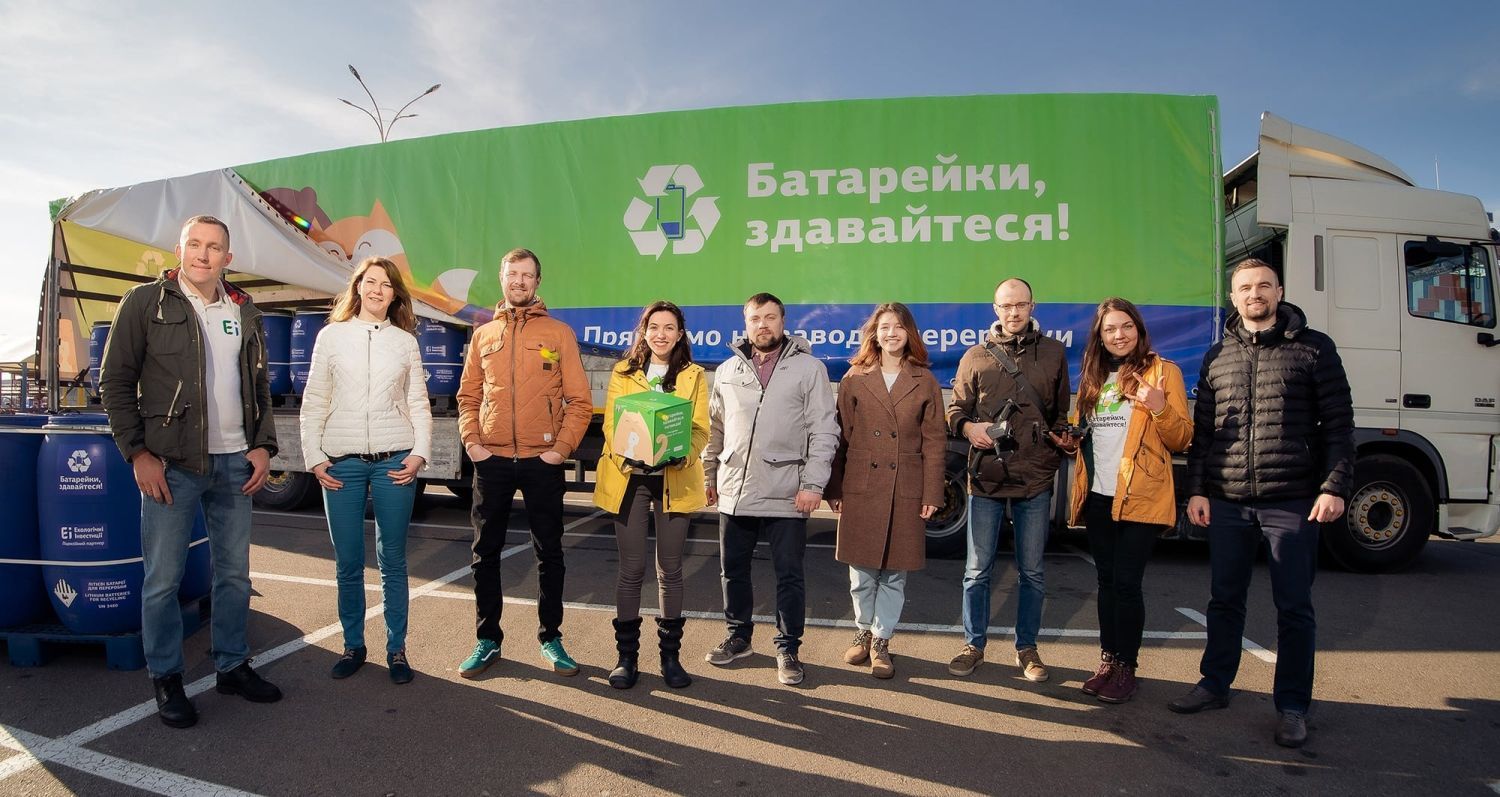
Photo: batareiky.ua
However, Ukraine does not yet have a well-established system for the separate collection and disposal of hazardous battery waste. But from 2023, Ukraine will have a waste management law in place, which should bring the country closer to European standards.
“The law provides for extended producer responsibility. This means that companies that sell batteries or equipment will have to ensure their disposal,” explained Tymochko.
The expert noted that the current trend of increasing the number of battery collection points for disposal is positive, and every year there are more and more of them. The state is moving towards a collection and disposal system that is already in place in EU countries.
Earlier, EcoPolitic reported that the European Commission had published new rules for calculating and verifying the efficiency of recycling and recovering materials from used batteries.