Power outages in Ukraine have led to increased use of batteries. But what provides energy and comfort can become dangerous when it enters the environment.
The State Environmental Inspection of the Chernihiv region reminded why batteries should be disposed of separately and how their contents can harm people and animals.
Toxic poison in a mini-container
If you simply throw a battery in the trash, it will end up in a landfill along with other waste. Under the influence of external conditions, its casing will eventually be damaged. Then all of its toxic contents will be released into the environment.
Lead, mercury, zinc, and other ingredients of the poisonous cocktail from just one battery can contaminate up to 400 liters of water and up to 20 square meters of soil.
Everything in nature is interconnected. Heavy metals and toxins can enter drinking water through groundwater. Contaminated soil transfers substances to plants, which can then be consumed by humans and animals.
The contents of batteries, once inside the body, can cause cancer and damage the liver, kidneys, and central nervous system.
Safe disposal
Batteries are a hazardous type of waste, so they do not belong in a regular landfill.
The State Environmental Inspectorate recommends following these simple rules:
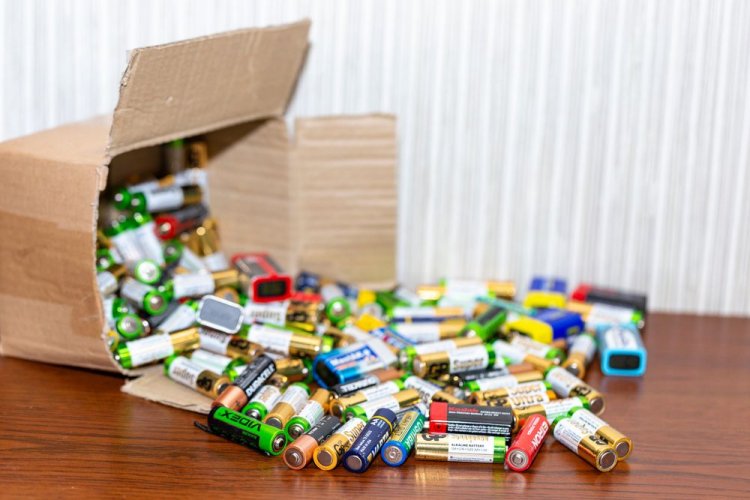
- collect used batteries separately. Any dry container at home will do, such as a box or a canister;
- take them to special collection points, which can be found in supermarkets, electronics stores, and similar locations.
“During times of war, our environment suffers tremendous wounds. But we can reduce one of the damaging factors by disposing of batteries properly,” emphasize Chernihiv's environmental inspectors.
Earlier, EcoPolitic reported that in the Lviv region, hazardous waste, including batteries and mercury lamps, is collected on a scheduled basis by a special eco-bus.