Ukrainian verifiers can obtain accreditation through the authorities of EU member states; Sweden is one such option. At the end of May, representatives of the NAAU visited SWEDAC and signed a cooperation agreement. However, there are certain details regarding the submission of applications, payment for services and the speed of the procedures.
EcoPolitic learnt of this from a presentation by a representative of the National Accreditation Agency of Ukraine (NAAU) at a working meeting of the Ministry of Economy, Environment and Agriculture.
Under the agreement, if a Ukrainian verifier submits an application to SWEDAC, the Swedish body will independently review the documents and assess the application. However, certain technical stages, in particular on-site assessments and monitoring, may be subcontracted to the NAAU.
The agency emphasised that this does not constitute a delegation of powers: the NAAU does not make decisions regarding accreditation. All payments are made by Ukrainian verifiers to SWEDAC, and the Swedish side then pays the NAAU for the work carried out.
At the same time, SWEDAC is not obliged to involve the Ukrainian body — this is merely one of several possible working models. The decision will depend on how the Swedish accreditation body structures its cooperation with third countries.
The NAAU also reported that European co-operation for Accreditation has already set up a separate working group to develop accreditation procedures in the field of CBAM. Ukraine is participating in this group as an observer. According to a representative of the agency, discussions on accreditation mechanisms for third countries are ongoing, but the process is progressing slowly.
The NAAU has already completed its part of the preparations, and Ukrainian verifiers are advised to start work immediately so as not to waste any time.
EcoPolitic previously reported on the start of cooperation with Swedish accreditors.
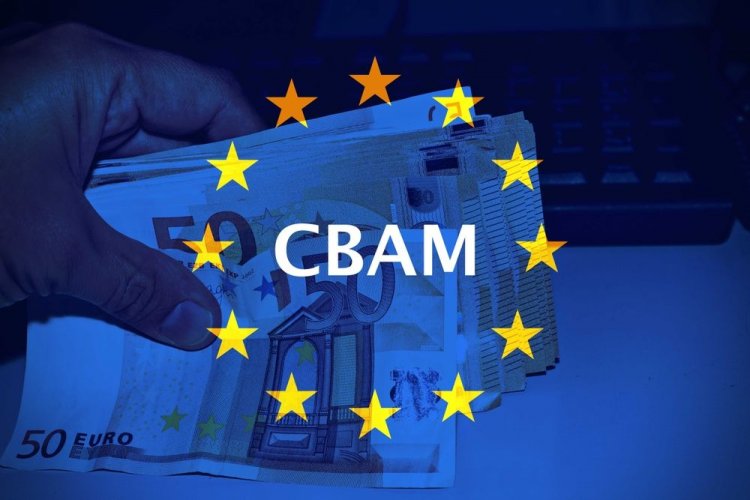
It should be recalled that the Carbon Border Adjustment Mechanism (CBAM) became fully operational on January 1, 2026. In just the first quarter, Ukrainian metallurgy lost up to 93% of its exports.
The Ministry of Economy had reported that it was actively seeking ways to postpone CBAM for Ukraine due to the full-scale war. However, according to a remark made at the working meeting on Friday, June 19, the chances for this are slim.