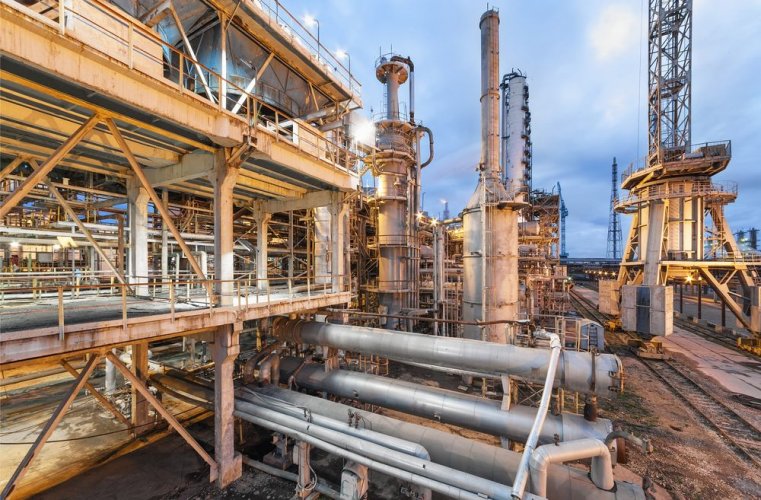
In the announced Clean Industry Agreement, the European Commission should determine whether to allow some sectors in the European Union to disappear to make way for green technologies.
This is reported by POLITICO.
Analysts say that Europe is facing a painful choice: how to combine environmental policy with economic realities. The situation is complicated by rapidly rising costs, fierce competition from China and a possible trade war with the United States.
Companies and governments across the continent face a difficult choice: maintain products and technologies that are no longer competitive or abandon them.
High energy costs and industrial decline
The article discusses the challenges faced by the European Union in its transition to a green economy, especially with regard to energy-intensive industries. The steel, cement, chemical and fertilizer industries in the EU are under pressure from high energy prices, especially after the 2022 gas crisis caused by the war in Ukraine and the reduction of gas supplies from Russia.
The example discussed in the article is the German aluminum smelter Rheinwerk in Neuss. It has stopped primary aluminum production due to high energy prices, but continues to operate by processing secondary raw materials, as this process requires much less electricity.
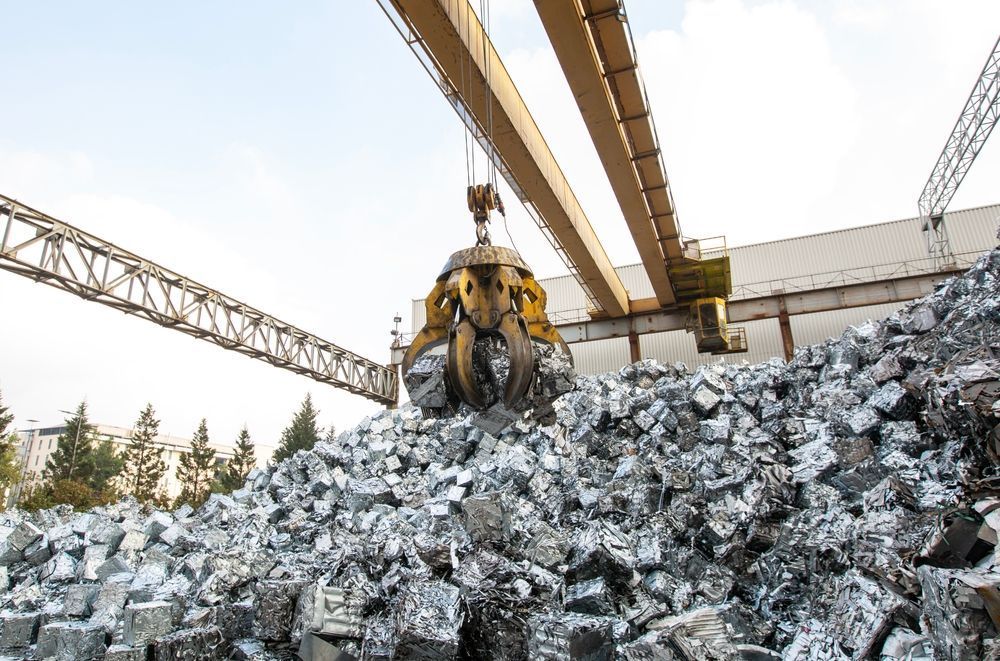
This case illustrates a broader dilemma for the EU: how to balance ambitious climate goals with economic viability and social impacts.
The publication recalled that energy-intensive sectors (steel, cement, aluminum, chemicals, etc.) are responsible for more than a fifth of the EU's greenhouse gas emissions, and their transition will be long and expensive. They will have to change their production processes, consume clean energy, use more recycled materials, and capture the remaining CO2, analysts say.
Since modernizing a plant takes years, companies need to know now what is worth investing in. They want to be sure of the conditions they will face and the support they will receive.
POLITICO says the Clean Industry Agreement is designed to address many of the concerns of manufacturers. It proposes quotas for EU-made products to stimulate demand, as well as new measures to modernize power grids and reduce prices.
Competition with countries with lower environmental standards
Some industries, such as steel and chemicals, are facing difficulties due to their high energy intensity and competition from countries with less stringent environmental standards.
The European Commission is trying to address these challenges through initiatives aimed at supporting industry in the green transformation. For example, the bloc has introduced a carbon-based import adjustment mechanism (CBAM) to protect European companies from cheaper but less environmentally friendly products from abroad. However, this mechanism does not solve the problem of high energy costs in Europe.
The main dilemma
However, the question remains: which industries should be supported and which may not survive in the new environment? Some argue that Europe should allow some energy-intensive industries to “die out” and rely on future technologies. Others insist that without its own production of steel, aluminum, and chemicals, the EU will become dependent on imports, which threatens the continent's economic security.
POLITICO says that Brussels cannot avoid this issue forever:
“The answer will determine not only what the EU's industry and labor market will look like in the coming decades, but also the bloc's autonomy: where it will get the aluminum for its wind turbines, cement for its buildings or steel for its weapons.”
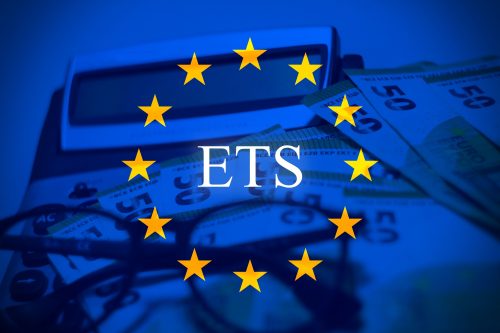
Recently, EcoPolitic wrote that the EU carbon market pays polluters instead of financing a clean transition. In 2023, heavy industry in the European Union, under the EU's greenhouse gas emissions trading system, was still receiving most of its pollution permits for free, sometimes even in excess.