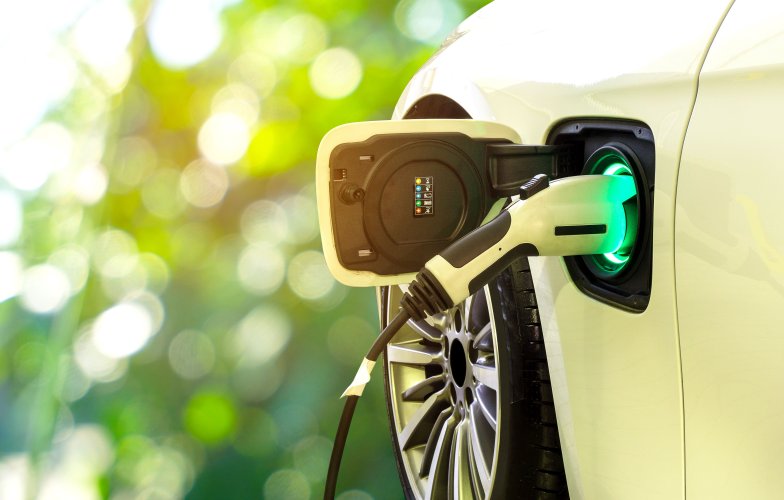
Five projects from four EU countries won the Innovation Fund competition. They received €643 million in funding to launch the production of modern batteries for electric vehicles.
The European Commission has announced that production is expected to start in 2027-29.
Production facilities will be located in France, Germany, Sweden, and Poland. The total decarbonization effect of the projects will be a reduction in emissions of 88 million tons in just the first 10 years of operation.
Not just a power source, but an entire ecosystem
The EU expects the winning projects to give a technological boost to the manufacturing industry. It is anticipated that innovations will not be limited to the high quality of the final product, but will be implemented at various levels of the technological chain, from the production of materials to secondary use.
Economic benefits
The production of batteries for electric vehicles in the EU will also have a positive impact on the EU economy. It is expected to create direct and indirect jobs and reduce dependence on foreign importers.
In addition, supporting innovation gives the EU a competitive advantage in the field of advanced automotive technologies.
Compliance with strict European standards
The winning projects comply with a number of European policies, including laws on zero industrial emissions and critical raw materials. The production of batteries for electric cars qualifies as clean technology and will therefore contribute to the achievement of the Clean Industry Agreement targets.
Earlier, EcoPolitic reported that the European Innovation Fund will allocate nearly €3 billion to zero-emission projects.