Taiwan plans to introduce a fee for carbon emissions from 2024

Taiwan plans to introduce a fee for carbon emissions from 2024 shutterstock
Katerina Belousova

Taiwanese steel exporters are likely to have to pay the difference under the CBAM

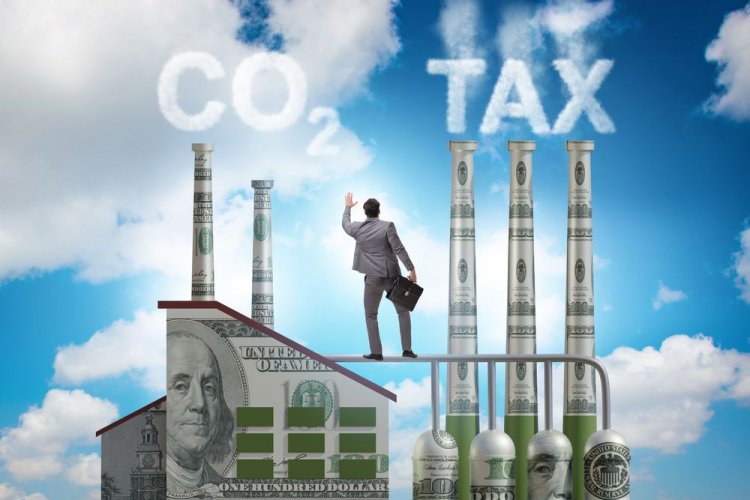
In 2024, Taiwan plans to introduce a carbon and CO2 emissions system for carbon -power imports.

It is expected that the minimum rate will be $ 100 Taiwan per ton, ie € 3.09, reports SteelOrbis.

It is noted that the system of the system will be published by the end of 2023 after the discussion with the participating companies.

The material said that the scheme will initially be used up to 287 companies and other organizations, which release more than 25 thousand tons per year.

The authors stressed that the probable cost of carbon emissions in Taiwan is much lower than in the EU, where it reaches about € 100 per tonne.

"In such a situation, Taiwanese exporters are likely to pay a difference in accordance with the mechanism of corrbing of EU carbon borders [CBAM], which will come into force in October 2023," the material reads.

It is noted that Taiwan plans to achieve climate neutrality by 2050.

Earlier, EcoPolitic wrote, that in most Asia countries, prices and carbon emissions are too low to significantly affect climate change and make pollutants reduce emissions.

EcoPolitic previously reported that the European carbon borders (CBAM) correction mechanism can encourage exporters to more environmental technologies, in particular from Asia-Pacific.


Tags: , ,
Related
The number of accredited CBAM verifiers has increased to eleven

Among them is the first Asian company – the Korean Standards Association (KSA) from South Korea

EU and UK agree to link their emissions trading systems from 2028

The agreement is expected to create the same rules for businesses on both sides of the Channel

At COP31, Ukraine blocked Russia's climate report containing data from occupied territories

The aggressor country is trying to use this international platform to legitimise the seized Ukrainian regions

Under US pressure, the EU postpones key methane rules by another two years

The agreement was reached after a year of lobbying by the oil and gas industry, which was backed by Washington and EU Member States