Spanish Valencia closes beaches due to oil spill. Photos, video

Spanish Valencia closes beaches due to oil spill. Photos, video EPA/UPG

Anna Velyka

The source of the contamination is still unknown

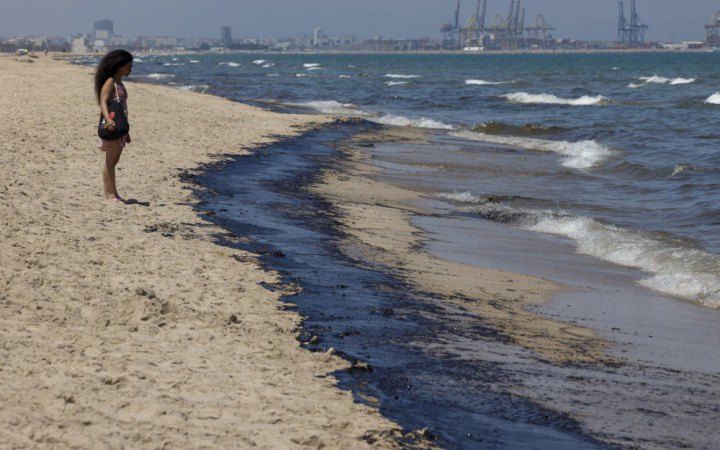
On July 16, the Valencia City Council closed three beaches on the Mediterranean coast. This decision was made after a 2-kilometer strip of sand was covered with oil or fuel from a spill.

This was reported by Reuters.

The red flag was raised on the beaches of Saler, Arbre del Gós and Garrofera as a sign of a ban on swimming.
EPA/UPG

Photo: EPA/UPG

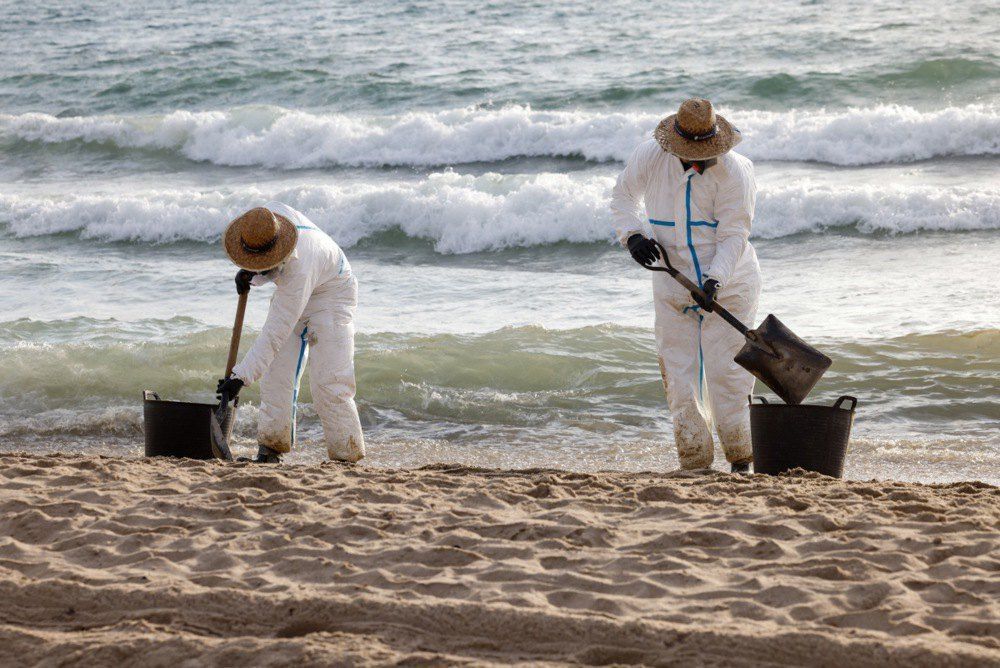
To find out the cause of the pollution spill and its scale, the city authorities involved a helicopter and a drone. Special crews were sent to the beach for cleaning.
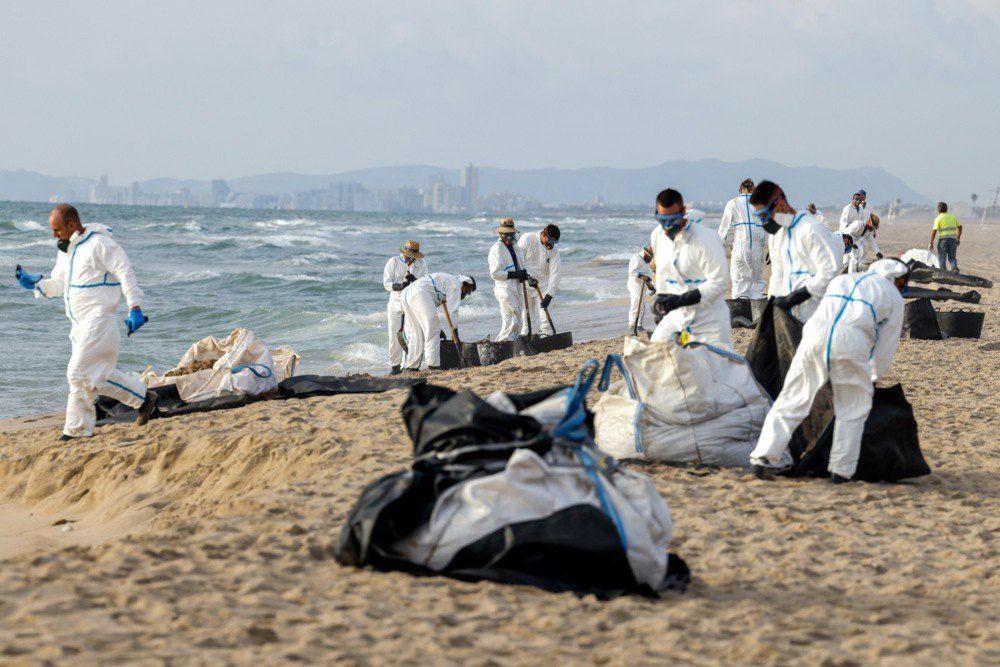
EPA/UPG

Photo: EPA/UPG

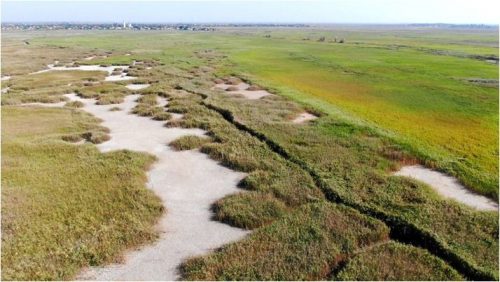
According to preliminary information, the contaminated areas are limited to a narrow strip located south of the city between the Mediterranean Sea and the "L'Albufera" wetlands, which are under protection.

In February, EcoPolitic reported that in the Obolon district of Kyiv, Lake Kyrylivske unknown angry oil products that formed a large oily spot on the surface.
Tags: ,
Related
Ukraine is preparing to increase fines for damage to water resources by a factor of ten

Littering a body of water could cost you over 5,000 UAH, while erecting a fence could cost nearly 12,000 UAH

Saving the water bodies of southern Odesa Oblast: what solutions is the Ministry of Economy proposing?

Some of the measures involve automating the regulation of water flow from the Danube into local lakes

The Danube region in Odesa Oblast is at risk of desertification

The cause is large-scale hydraulic engineering intervention, exacerbated by climate change

More than 80% of the world’s freshwater fish have disappeared. What do dams and pollution have to do with it?

97% of migratory fish species are already at risk of becoming extinct