The Republic of Poland is finally putting an end to fur farming. President Karol Nawrocki has signed an amendment to the Animal Protection Act, which was previously supported by the Sejm. Businesses must comply with the government's decision by the end of 2033.
This was reported by PAP.
"More than two-thirds of Poles, including rural residents, support the ban on fur farming. This voice cannot be ignored. This is the direction that the overwhelming majority of society is pointing to," said President Nawrocki.
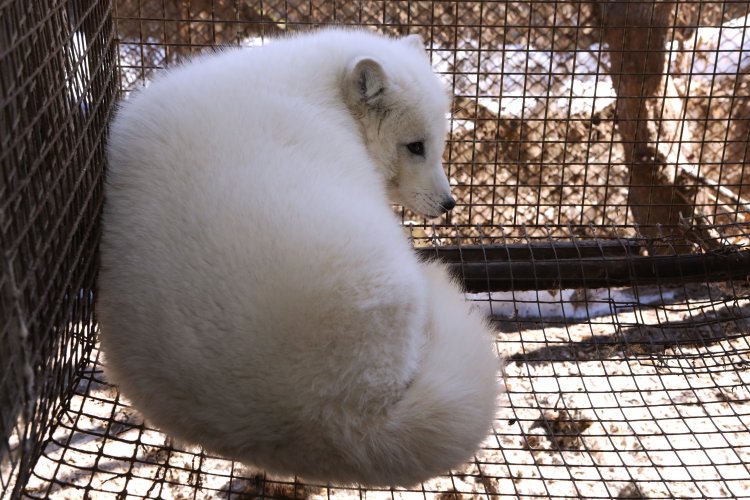
The amendment to the animal protection law concerns a total ban on breeding and raising animals for fur. The only exception is rabbits.
Motivation through state compensation
Animal breeders can receive compensation from the Polish state. And the sooner they stop slaughtering for fur, the greater the financial assistance will be.
The largest compensation will be received by those entrepreneurs who manage to shut down production by January 1, 2027. The amount will be 25% of the average annual income from 2020 to 2024. Each year, the amount of the payment will be reduced by 5%. The last opportunity to receive compensation is provided for those who cease operations before January 1, 2031, and will amount to 5%.
Anyone who closes their business later will not be eligible to apply for compensation. If an entrepreneur violates the ban, they may be deprived of the right to own any animals for up to five years.
Fur farm workers are also entitled to compensation. They can receive severance pay equal to 12 months' salary.
The maximum period for giving up fur farming is eight years. According to the Polish authorities, this should be enough time for entrepreneurs to choose another business sector.
Fur farm workers are also eligible for compensation. They can receive severance pay equivalent to a 12-month salary.
The maximum period for phasing out fur animal breeding is eight years. According to the Polish authorities, this should be enough time for entrepreneurs to choose a new line of business.
EcoPolitic previously reported that the European Union is preparing to adopt the first law protecting cats and dogs. It concerns the conditions of breeding, crossbreeding, keeping, and registering animals.