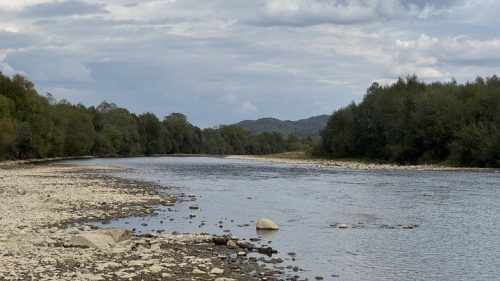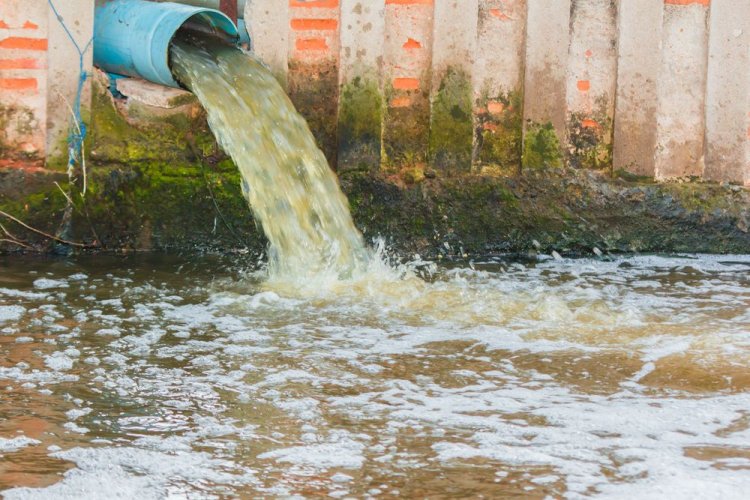
The economic court of the Ternopil region ordered the municipal enterprise of Kremenets "Miskvodhosp" to pay more than 960 thousand hryvnias for the pollution of the Ikva river.
Specialists of the Specialized Environmental Prosecutor's Office and the Regional Prosecutor's Office worked on the case, reports the press service of the Ternopil Regional Prosecutor's Office.
"Miskvodhosp" discharged polluting substances into the river with return waters exceeding the established norms. Indemnified damages will be sent to budget
It is worth noting that prosecutors filed a lawsuit in June 2022.
As you know, the Ikva is the right tributary of the Styr (Dnieper basin). The river flows within Lviv, Ternopil and Rivne regions.
Earlier, EcoPolitic wrote, that in April 2022, in the Dubensky district of the Rivne region, in the Ikva River, exceeded indicators of pollutants, in particular, ammonium — by 163 times were recorded. Local residents found a dead fish in the river.
As EcoPolitic previously reported, the court forced the state-owned enterprise "Dubnovodokanal" in the Rivne region to compensate 1.6 million hryvnias for damages for discharge of waste water into the Ikva River. Eco-inspectors discovered the violation in February 2020.