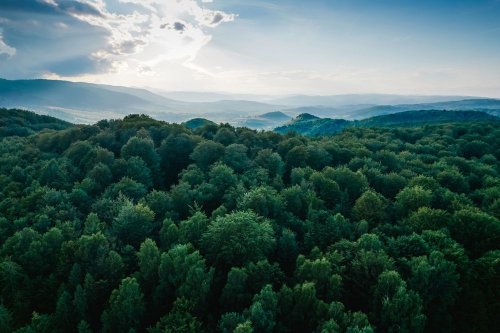
In Switzerland, in the canton of Valais, mountain slopes, in particular protected areas, have taken over prickly pear cacti, which can destroy the biodiversity of the Alps.
Biologist Ian Triponez said that due to global warming in some areas of the Vale, cacti occupy a third of the available surface, the Guardian reports.
Triponez emphasized that Valais is one of the hotspots of biodiversity in Switzerland. The canton has 2,200 plants out of 3,000 in the entire country.
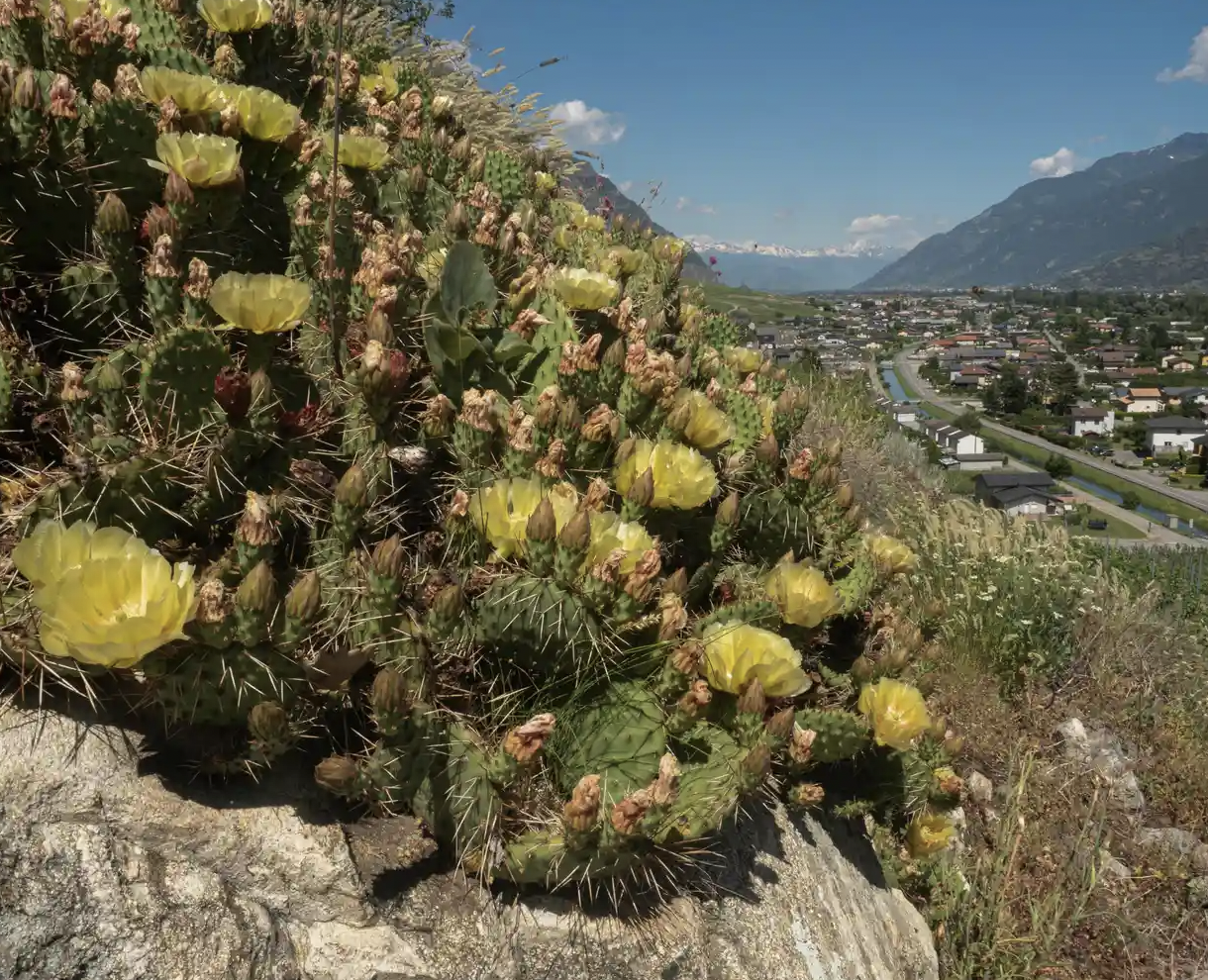
It is noted that cacti were brought from North America in the 18th century. This invasive, i.e. non-native, plant easily withstands temperatures down to -15 degrees, but it "poorly tolerates" snow.
In the material, it was said that near the capital of Vala, in Siyon, prickly pears make up 23-30% of the low-growing cover. They also spread in neighboring alpine regions, including Ticino and Graubünden in Switzerland, and the Aosta Valley and Valtellini in Italy.
The authors emphasized that due to warming, the conditions of the Alps may become ideal for the spread of prickly pear. According to Meteo Swiss, the number of snow days below 800 meters in Switzerland has halved since 1970. In addition, snow covers the Alps for about a month less than the historical average.
The article emphasized that temperatures in Switzerland are rising twice as fast as global averages, and average temperatures are already 2.4C higher than averages for 1871-1900.
Four of the nine prickly pear species in Valais are said to pose a threat to local ecosystems, particularly in areas with acidic or neutral soils, which make up one-third of the valley's southern slopes.
The article said that the local authorities plan to conduct a campaign to uproot cacti. However, this will be a difficult task. After all, prickly pears reproduce easily and grow even if they are cut down, stepped on or left dry for months. Cacti also grow back in most of the places where they were uprooted, leading biologists to question whether they can ever be eradicated.
Earlier, EcoPolitic wrote, that in the Italian Alps, amid record temperatures of a heat wave, part of a mountain glacier collapsed, as a result of which at least 6 people died and 8 were injured.
As EcoPolitic previously reported, due to climate change in Norway near Sognefjord, local residents began to grow vineyards far beyond the latitude of 30-50 degrees, which is traditionally considered optimal for wine production.