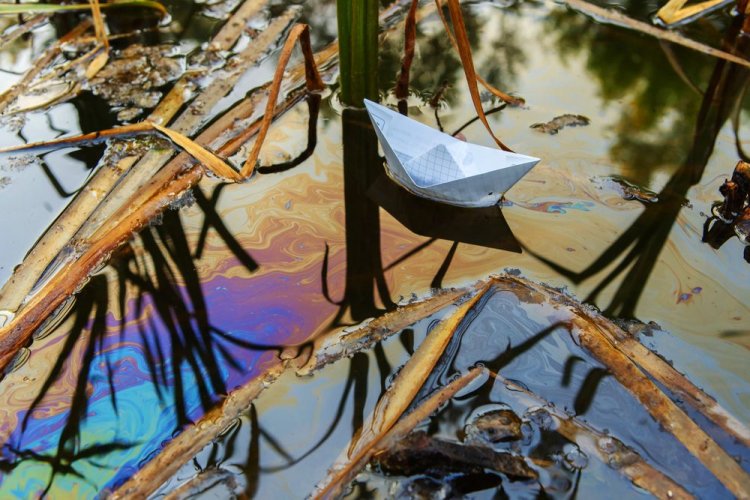
In the Ivano-Frankivsk region, in the city of Halych, it was discovered oily stains on the Dniester River and water pollution with oil products, which exceeded the permissible standards by 200 times ( 11 mg/dm3).
Pollutants entered the river in the territory of the Lviv region, reports head of the Ivano-Frankivsk Regional Military Administration Svetlana Onyshchuk on Telegram.
She noted that residents surrounding settlements were informed about pollution. The situation is under the control of the relevant services, all necessary measures are being taken to eliminate the emergency situation.
Oil products also got into the river Limnytsia, the right tributary of the Dniester.
It is noted that on December 27 the concentration of petroleum products in the Dniester river basin decreased:
- on the Dniester River in Halych – 30.5 times and exceeds the norm by only 4.2 times;
- in the village Nizhniv – 4.5 times and exceeds the norm by 7.6 times.
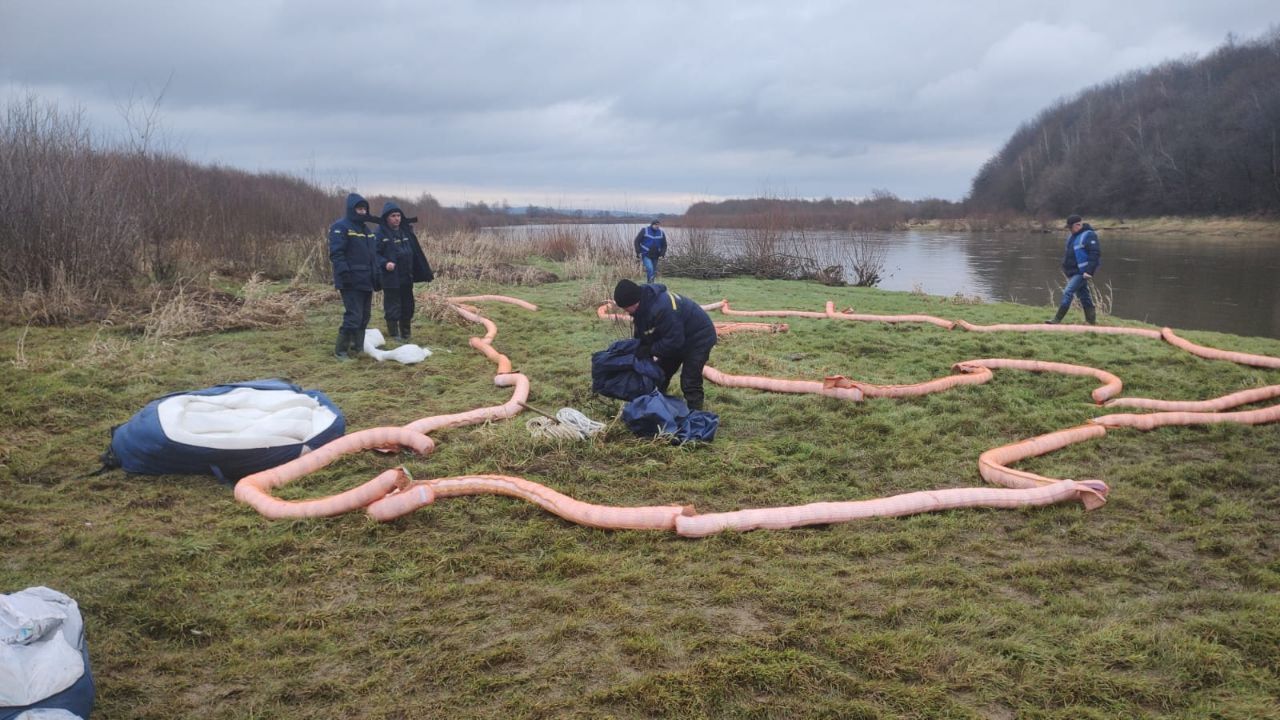
Onyshchuk said that minor oil stains are observed on the Limnytsia River, and their area is 80% smaller compared to the previous day. Barriers for localization, movement and collection of oil products have also been installed.
"Currently, the situation related to the pollution of the Dniester and Limnytsia rivers is being constantly monitored, and measures are being taken to reduce the harmful effects of oil products on the environment," she added.
Earlier, EcoPolitic wrote, that from a well in the village of Kachanivka, Okhtyr district, Sumy Oblast oil flowed instead of drinking water.
As EcoPolitic previously reported, in the occupied Kherson region, due to the destruction of ships in ports by Russian troops, about 10 tons of fuel and lubricants got into the reservoir materials.