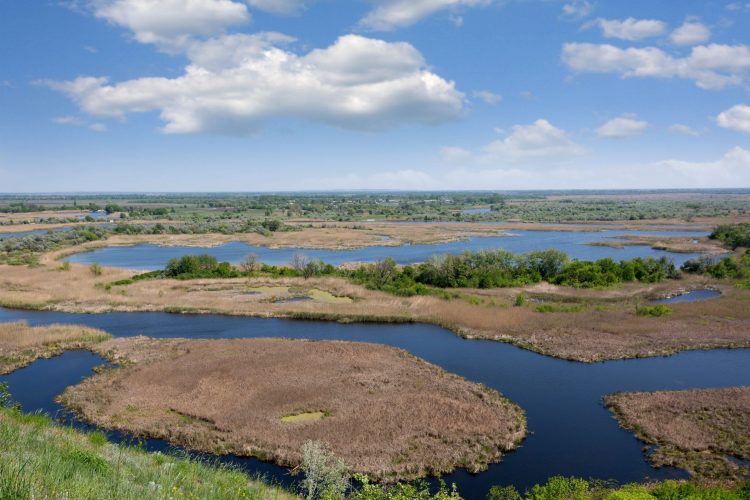
As the dry season approaches, the threat of lakes drying up at the mouth of the Danube is growing. To prevent a water crisis in the south of the country, the Cabinet of Ministers has approved a series of measures to strengthen water supply to regions affected by drought.
This was reported by the Ministry of Economy, Environment, and Agriculture.
Specific decisions
The Cabinet’s decision includes a series of measures designed to prepare the southern regions for the dry season. These include:
- forced filling of the Katlabuh and China lakes in Odesa region, using stationary pumping stations for this purpose;
- filling the Nechayanske Reservoir in Mykolaiv region;
- procurement of mobile diesel pumping stations, which will be used as backup equipment starting from 2026 if the water situation deteriorates.
“We need to strengthen the water sector's resilience, create backup mechanisms for water supply, and promptly respond to low-water risks. This government decision will enable more stable water supply for communities and support economic resilience in the southern arid regions,” emphasized Deputy Minister of Economy, Environment, and Agriculture Iryna Ovcharenko.
The proposed measures are part of a broader State Target Program for Integrated Water Supply to territories affected by military operations for the period up to 2030.
EkoPolitic has previously provided a more detailed account of the threat of desertification facing Odesa region. In particular, small water bodies in the Danube Delta are drying up and soils are degrading, which could turn the Danube lakes system into a desert.
The same fate threatens southern Ukraine as a whole. The main causes include climate change, human activity, and the impacts of military operations.
However, there are examples of successful environmental interventions that have restored water levels in these bodies of water. For example, a rewilding project on Lake Kartal returned the natural state to more than 18,000 hectares of wetlands.