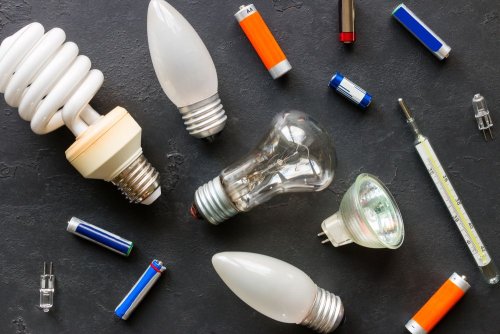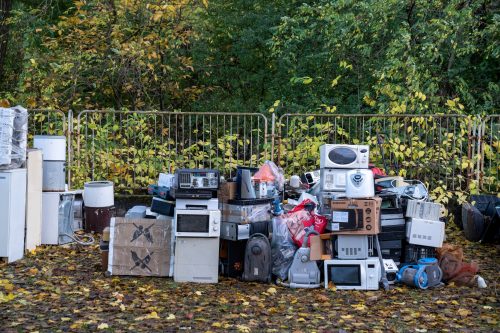
Humanity disposes of billions of tons of waste each year. It pollutes the soil and water, poisons the air, and takes up vast areas of land. To raise awareness of this problem, March 30 is recognized worldwide as the International Day of Zero Waste. This is a relatively “young” commemorative date – the United Nations General Assembly proclaimed it through its resolution only in December 2022.
EcoPolitics informs its readers about the scale of the “waste” problem and the measures that everyone can and should take.
Catastrophic statistics
According to UN-HABITAT, humanity generates between 2.1 and 2.3 billion tons of municipal solid waste annually. By 2050, this figure could rise to 3.8 billion tons.
At the same time, about 2.7 billion people on the planet do not have access to an organized waste collection system.
The accumulation of waste without proper sorting and recycling poses a threat to human well-being and the economies of entire countries. The side effects also include pollution, loss of biodiversity, and climate change.
Food waste – the main focus for 2026
Each year, humanity throws away about 20% of food, even while it's still edible. The weight of this type of waste is about 1 billion tons, which is an unacceptable wastefulness and a source of negative environmental impact.
Households are responsible for 60% of food waste, while another 40% comes from businesses and food service establishments. The root of the problem lies in the inefficiency of food systems, including production, distribution, and consumption.
The United Nations believes that addressing this situation depends on rethinking the entire system and adopting circularity. Government, business, and society each have their own sphere of influence and responsibility in this process.
Specifically, governments should develop national policies for the circular economy, improve monitoring in this sector, and strengthen public-private partnerships. Businesses can integrate some obligations into their sustainable development goals, implement innovations for the circularity of food systems, and share their progress.
Rules for everyone
However, ordinary people are responsible for most of the waste. To change this, we need to rethink our daily habits and attitudes toward the problem.
In particular, the United Nations recommends:
- Be mindful of food: plan your grocery shopping, buy only what you need, and cook only as much as you can eat.
- Support food redistribution and organic waste composting initiatives.
- On a personal level, become a promoter of the Zero Waste philosophy by making food waste unacceptable.
In Ukraine alone, about 2.7 million tons of food are sent for disposal each year, most of which could still be eaten. EcoPolitic reported that to correct this situation, plans are underway in the country to create food banks. To develop the necessary legislative framework, the Ministry of Economy has signed a memorandum with the Ukrainian Food Bank Federation.
EcoPolitics described the issues in the field of waste processing, as well as national regulation and regional implementation of waste management programs in a feature article.