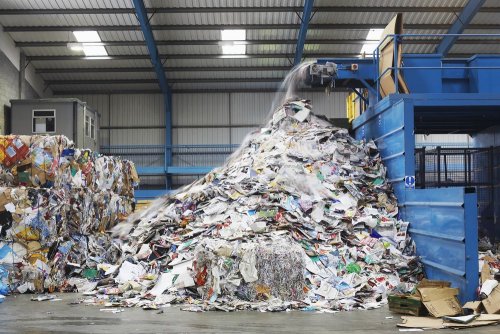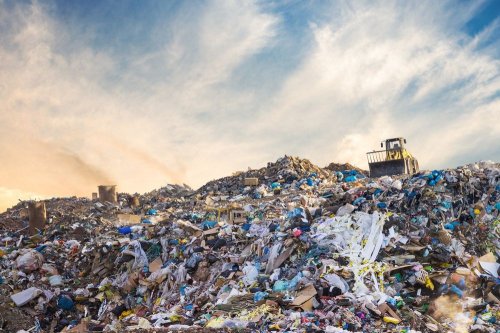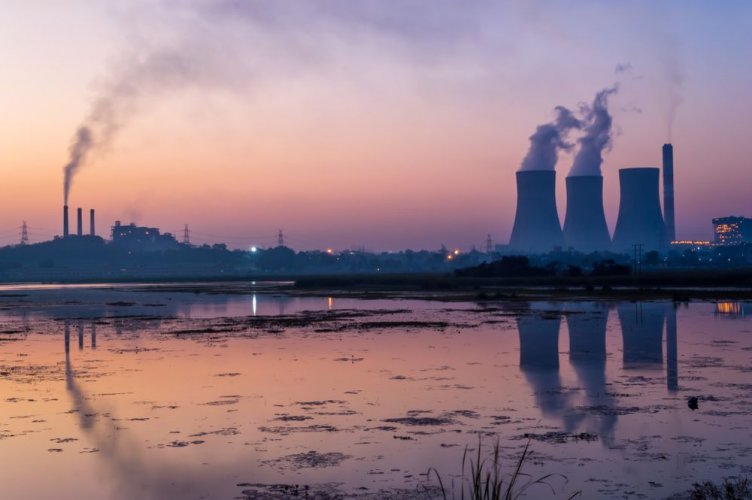
The city plans to build a new combined heat and power (CHP) plant running on RDF/SRF fuel, which is produced from waste. To supply the plant with feedstock, a waste sorting station will be set up nearby. The total cost of the project is preliminarily estimated at 4.5 billion UAH.
As reported by the media outlet "Suspilne", the project is part of the city's updated energy efficiency programme for 2022–2029, which has a total budget of almost 33 billion UAH.
Stability and environmental friendliness
Experts believe that the new CHP plant will reduce the city's dependence on natural gas and partially solve the problem of household waste.
However, its economic efficiency remains in question. According to Hennadii Riabtsev, chief researcher at the National Institute for Strategic Studies, it depends on many factors: the quantity and quality of fuel, emission treatment, feedstock preparation costs, and compliance with environmental protection requirements.
The territory of the Odesa CHP plant could be a rational location for the new energy facility, says Yurii Zvoliendovskyi, an expert in energy and housing and communal services. The site covers 24 hectares, and part of it is not in use. An additional advantage is the existing railway tracks, as well as gas and heating network lines.
Dependence on funding
A vulnerable aspect of Odesa's energy efficiency plan is its dependence on external funding. The city expects to raise 79% of all the funds needed to implement the programme from international assistance and extra-budgetary sources.
Therefore, no exact timeline for the project has been announced yet.
EcoPolitic previously reported on the experience of the town of Chortkiv in Ternopil Oblast. The town is gradually phasing out natural gas and plans to become an energy-neutral town.
Almost 90 solar power plants supply Odesa Oblast with alternative energy.