A Ukrainian delegation took part in a session of the Conference of the Parties to the United Nations Convention to Combat Desertification (UNCCD COP17), which took place in Mongolia. The country used this opportunity to draw attention to the scale of the war’s impact on the environment, particularly on soils and land, and to launch negotiations on securing funding for ecological restoration projects.
This was reported by the Ministry of Economy and the Environment.
From degradation to restoration
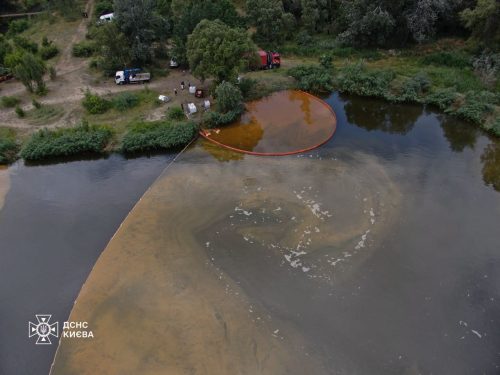
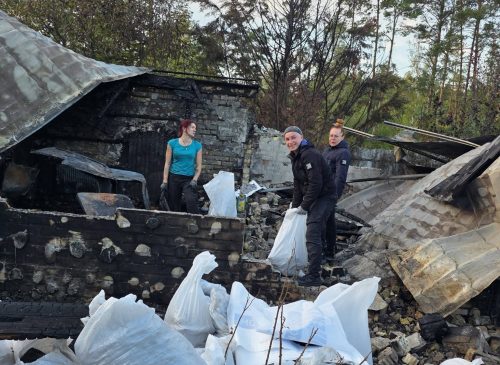
Ukraine’s national statement contained evidence of the enormous scale of the impact of hostilities on the environment. Delegates reported soil and land degradation, fires, landmines and significant pollution.
A particular risk is damage to water infrastructure, which poses a long-term threat to the recovery of these areas.
Ukraine’s position is that land restoration must form part of the country’s recovery. In these processes, the country plans to align itself with the objectives of the UNCCD, the Paris Agreement, the Convention on Biological Diversity and the 2030 Agenda for Sustainable Development. In addition to the direct restoration of soils, water bodies and ecosystems, the components of this recovery include science-based solutions, monitoring and humanitarian demining.
Search for resources for a country
Delegates from Ukraine met with representatives of the Global Environment Facility (GEF). Ukraine is seeking the fund’s involvement in financing projects on drought resilience and land restoration.
"This work must be followed by the preparation of high-quality project proposals capable of attracting international resources for Ukraine’s environmental protection and restoration agenda," the Ministry of Economy emphasised.
Continuation of work at the UNCCD
The Ukrainian delegation paid particular attention to the work of the Central and Eastern Europe regional group. Ukraine insisted that candidates from the region for the Convention’s governing and advisory bodies should have the appropriate support and trust of the other states in the group. In line with this position, the Ukrainian side officially opposed the nomination of the Russian Federation to the Bureau of the Committee on Science and Technology.
Overall results
Following the conference, the mandate of the Intergovernmental Working Group on the future Strategic Framework of the Convention was extended to cover the period 2026–2028. This group is tasked with defining the UNCCD’s goals and priorities for the period after 2030.
However, not all the negotiations were successful. Drought was nevertheless recognised as a separate agenda item for all subsequent conferences, but the states were unable to agree on an international instrument to combat it.
Similarly, no consensus was reached on some of the issues, so their consideration has been deferred to COP18, which will take place in Egypt in 2028.
EcoPolitic previously reported that southern Ukraine is at risk of desertification. This is linked to climate change, the felling of forest belts and the irresponsible use of natural resources.
A further risk factor is the decline in water levels in rivers and lakes. Consequently, this poses a pressing threat to the mouth of the Danube in the Odesa region. Overall, 30 per cent of Ukraine’s rivers have disappeared or become significantly fragmented over the past 30 years.