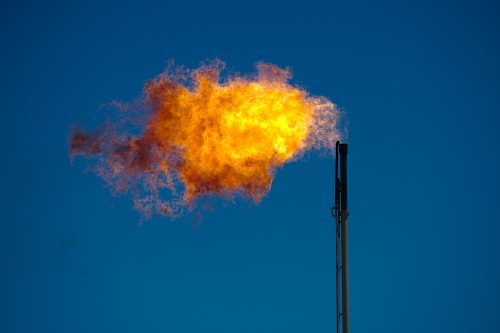
For the first time, a French court has found a fossil fuel company guilty of making false statements about environmental responsibility. The oil company TotalEnergies, one of the world's largest energy giants, was accused.
This was reported by The Guardian.
The court gave TotalEnergies a month to remove the misleading statement that the company aims to achieve carbon neutrality by 2050 and become a major player in the field of energy transformation. Otherwise, the company will have to pay a fine of €10 thousand per day.
"The French justice system is finally fighting against the impunity of fossil fuel green PR that Total has enjoyed so far. This sends a clear message: climate disinformation is not an acceptable business strategy," said Justine Ripoll, campaigns manager at Notre Affaire à Tous.
TotalEnergies said it recognized the court's decision and added that most of the lawsuits against it had been dismissed. In particular, the company aims to achieve 100 GW of renewable energy production by 2030, but has made fossil gas the basis of its strategy.
Representatives of TotalEnergies added that the company is multi-energy and will continue to produce energy responsibly and economically efficiently.
What is greenwashing
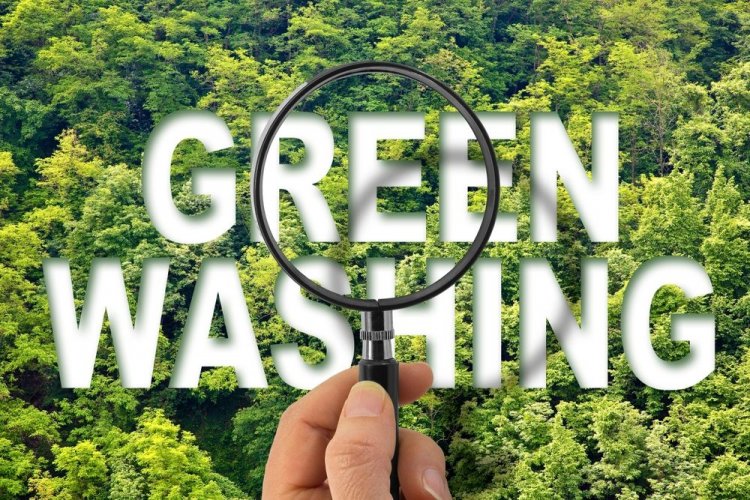
Greenwashing is the practice of creating a deceptively positive image of a company's environmental initiatives aimed at protecting the environment. For example, when a company switches to biodegradable packaging, but dumps its production waste into a river.
Greenwashing is a serious problem in the corporate world because it undermines the credibility of genuine sustainability initiatives. It can take various forms, such as exaggerated claims, the use of inaccurate images or vague language that suggests environmental responsibility but is not accompanied by concrete actions.
In June, the European Commission announced its intention to cancel its own proposal to ensure the accuracy, validity and independent verification of environmental statements by companies.