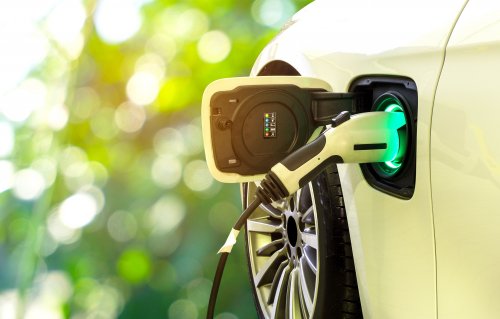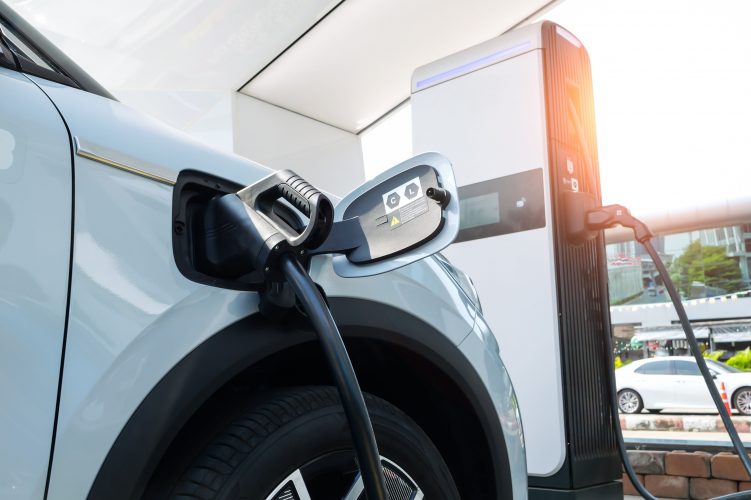
Since the start of the war in Iran, mainland Europe has seen a sharp rise in electric vehicle sales. In March 2026 alone, 224,000 new electric cars were registered across 15 countries, a 51% increase from the previous month.
This was reported by The Guardian, citing an analysis conducted by New AutoMotive and the trade organization E-Mobility Europe.
In total, half a million electric cars were registered in the first three months of this year. This figure is 33.5% higher than in 2025. The boom in the shift to electric vehicles began in late February, when gasoline and diesel prices rose due to the war in the Middle East.
Regional leaders
Norway showed the most striking figures. There, drivers have almost completely stopped buying cars with internal combustion engines—98% of vehicles purchased in March were electric.
The other spots in the top three are also held by Northern European countries—Denmark with 76% and Finland with nearly 50%.
Overall, northern countries are advancing toward electrification at the fastest pace. This is primarily due to high household incomes, state subsidies, and an extensive network of charging stations developed by the government.
France, Germany, Poland, Spain, and Italy demonstrated over 40% growth in electric vehicle purchases. In fact, Italy had been the slowest to shift to electric vehicles prior to the fuel crisis, making its year-on-year transition contrast all the more striking at 65%. However, the overall market share of electric vehicles remains low there – just 8.6% compared to 28% in France.
“The increase in electric vehicle sales in March is one of Europe's most significant recent achievements in the field of energy security, in a month when oil dependence became a real vulnerability,” said Chris Herron, Secretary General of E-Mobility Europe.
Just since the beginning of the year, the switch to electric vehicles has reduced fuel demand by approximately 2 million barrels per year.
Manufacturers’ response
The Swedish company Polestar, which is the only manufacturer of exclusively electric cars, reported record sales – 60,000 vehicles last year.
In Germany, electric car purchases rose by 42% in March. The local automotive trade association stated that now every second car sold in Europe is manufactured in Germany.