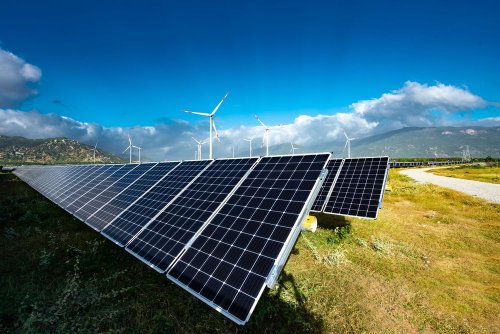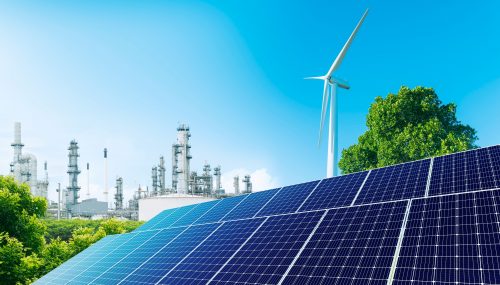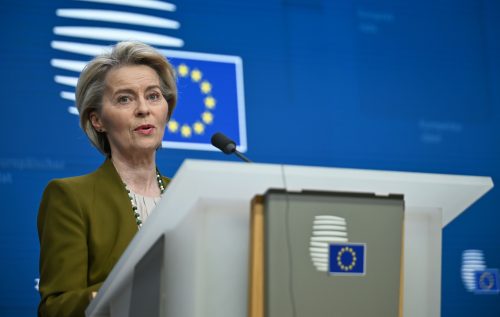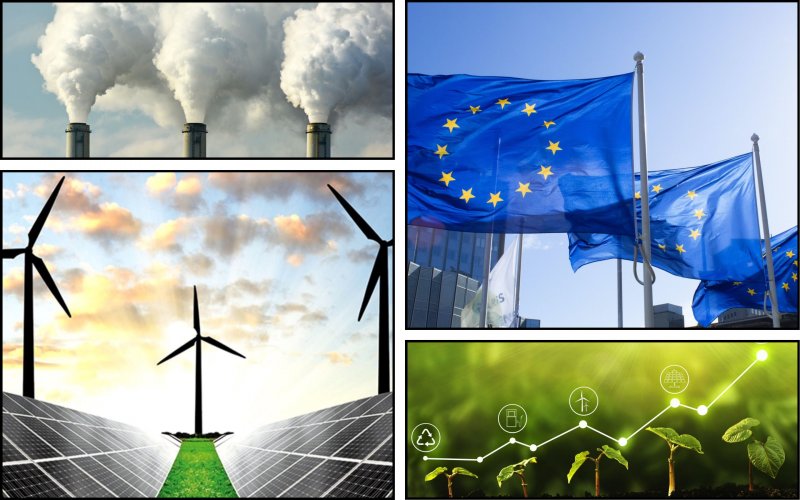
Members of the European Parliament voted for a resolution to increase the share of renewable energy in the total energy balance of member states to 42.5% by 2030.
The document provides that EU states should strive to increase the share of green energy in their energy balance to 45%, reports Power Technology.
It is noted that the resolution is part of the European plan REPowerEU, which was launched in response to the full-scale Russian invasion of Ukraine.
The article emphasized that the resolution should also speed up the procedures for issuing permits for green power plants and adapting existing ones. Member countries are recommended not to take a 12-month or longer period to approve new RES projects if they are to be built in "renewable resource utilization zones." Even outside such areas, the approval process should not exceed 24 months.
Power Technology said the resolution also calls for a 14.5% reduction in greenhouse gas emissions by 2030 from the transport sector. For this, it is necessary to increase the share of advanced biofuels and renewable fuels of non-biological origin, in particular hydrogen.
MEPs also said that member states should set indicative targets for new or innovative renewable energy technologies for at least 5% of newly installed RES capacity and have a mandatory framework for cross-border energy projects.
They are pushing for stricter criteria for the use of biomass to ensure that the EU does not subsidize unsustainable practices. Biomass must be harvested without adversely affecting soils and biodiversity.
"This directive is proof that Brussels can be non-bureaucratic and pragmatic. We have identified renewable energy sources as a major public interest, simplifying the process of their approval. Our focus spans wind power, photovoltaic power, hydropower, geothermal power and tidal currents. Wood biomass will be classified as renewable energy," said MEP Markus Pieper.
He added that the principle of "positive silence" will operate in the block, that is, investments will be considered approved in the absence of an administrative response.
Earlier, EcoPolitic wrote, that the head of the International Energy Agency, Fatih Birol, said that the world is at the beginning of the end of the era of fossil fuels.
As EcoPolitic previously reported, the European Union took emergency measures to deploy green energy, in particular accelerated permitting procedures and exempts some RES projects from the environmental impact assessment procedure.