The International Energy Agency (IEA) has lowered its global renewable energy growth forecast for 2030 by 900 GW compared to last year's forecast.
This was reported by The Guardian.
Experts expect global renewable energy capacity to grow by 4,600 GW by 2030. This is less than the six-year forecast of 5,500 GW in 2024. In particular, solar energy will account for about 80% of the growth.
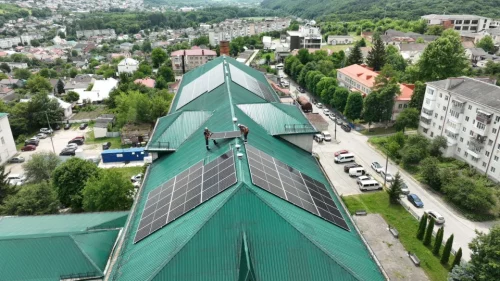
According to the IEA, the downgrade is partly offset by more decisive environmental policies in other countries. For example, India is set to become the second-largest market for renewable energy after China and is now on track to achieve its 2030 target. This is due to large-scale investments in clean energy and the rapid growth in the use of solar panels on the roofs of businesses and private households.
“The growth in global renewable energy capacity in the coming years will be driven mainly by solar energy,” said IEA Executive Director Fatih Birol.
Over the next five years, the production of pumped storage power plants is expected to grow 80% faster than in the previous five years. This is because integration problems in green energy are growing, and geothermal installations are on track to reach historic highs in the United States, Japan, Indonesia, and other developing countries.
According to experts, offshore wind energy remains a weak spot, and the forecast for the growth of renewable energy is about a quarter lower than last year due to policy reviews by world governments and higher costs.
We remind EcoPolitic readers that in the first half of 2025, global renewable energy production surpassed coal-fired power generation for the first time, compared to previous years.
In the first half of 2025, the world produced almost a third more solar energy than in the same period in 2024. Wind energy accounts for more than 7% of total global energy generation. This allows renewable energy sources to surpass fossil fuel generation for the first time.
We also recommend reading about how the European Union will set new emission reduction targets for 2035 and 2040 ahead of the COP30 climate summit in November.
European Commission President Ursula von der Leyen said that Europe will stick to its climate goals as Brussels cuts red tape. This will help businesses with the green transition. It will also help attract investment in power grids so that consumers can enjoy the benefits of cheaper renewable energy.