By 2025, the manufacturing of hydrogen electrolysers in Europe will experience a tenfold increase.
Such agreements were reached at a meeting of the European Commissioner for Internal Market, Thierry Breton, with the heads of 20 industry enterprises, writes the press service of the European Commission (EC).
"Clean hydrogen is indispensable to reduce industrial carbon emissions and contribute to our energy independence from Russia. We have no time to lose, which is why this European electrolyser summit is so opportune," said EC member Breton.
According to him, industry agreed to a tenfold increase in electrolyser manufacturing capacities in Europe. The Commission will support this important industrial upscaling for an industrial leadership in the clean energy technologies of the future.
The Joint Declaration sets out a target agreed by electrolyser manufacturers in Europe to increase their manufacturing capacity tenfold to 17.5 GW per year. It also features Commission actions to put in place a supportive regulatory framework, facilitate access to finance and promote efficient supply chains.
According to the European Commission, this will allow the European Union to annually produce 10 million tons of renewable hydrogen until 2030, which is the goal set in the REPowerEU program to reduce the dependence of EU countries on Russian energy carriers.
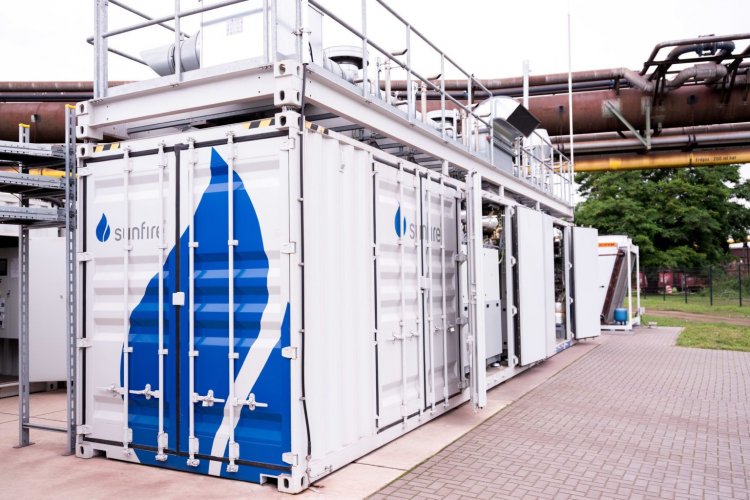
Before EcoPolitica reported that the largest high temperature electrolyzer, which was installed on its site by the German metallurgical giant Salzgitter AG, showed a record efficiency – the electrical efficiency reached 84%.