Heavy metal filter: the banks of Zaporizhia's "Red River" are overgrown with willows

Heavy metal filter: the banks of Zaporizhia's "Red River" are overgrown with willows news.telegraf.com.ua

Maria Semenova

Willow trees "work" as natural accumulators of toxic substances, which will clean up the soil near Sukha Moskovka in the future

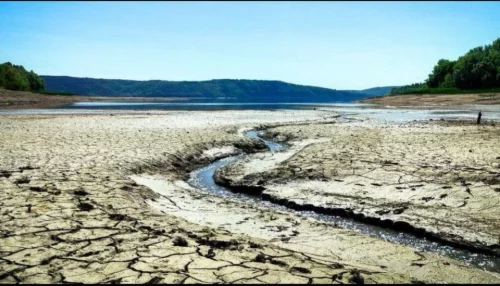
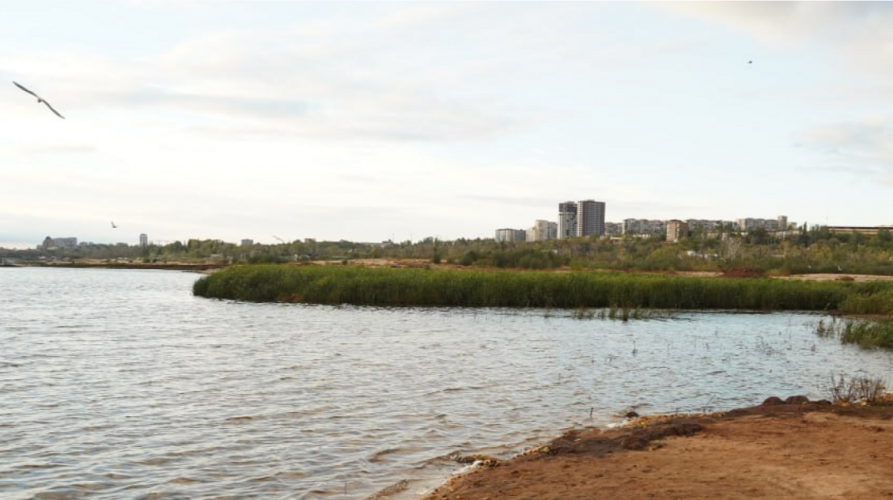
Back in the spring, the coast of the Sukha Moskovka, which Zaporizhzhia residents call the “Red River,” looked like a barren desert. Due to the destruction of the Kakhovka Hydroelectric Power Plant, the water receded and exposed silt that had accumulated metallurgical waste over the years. However, now a young willow forest is growing here, and the land has been given a chance to be cleaned up.

This was reported by ecologist and researcher of the Great Meadow Pavlo Oliinyk to the Telegraph publication.

A veritable chemical assortment

More than 80 years ago, water from the Sukha Moskovka began to be used in industrial processes. As a result, the coastal soil, which was previously the riverbed, became heavily polluted with heavy metals.

This is confirmed by the results of samples from the river delta, which were published by the ecologist. For example, the lead content is 6.45 times higher than normal, copper is 3.5 times higher, and manganese is almost five times higher. The river water itself has a rusty color due to iron oxide.

Willow purification

Willows are natural sponges for toxins. According to Pavlo Oliinyk, they “bind” heavy metals that enter the tree through the roots. Therefore, in the future, these plants should reduce the level of cadmium, zinc, copper, and other chemical elements in the soil. In addition, the forest should strengthen the coastal rocks, so the benefits of such natural greening are comprehensive.

Earlier, EcoPolitic wrote about how the Mokra Moskovka River was saved from oil pollution.
Related
The government is turning a blind eye to the destruction of nature caused by dolomite mining in the Zhytomyr region

Experts are convinced that, in the absence of a response from the authorities, an approach like the one in Negrebivka is likely to spread across the entire country

The court refused to exclude the land from the "Protasiv Yar" nature reserve in Kyiv

The private company insisted that it had legal rights to use the protected land

One of Ukraine's largest wetlands may be destroyed for peat extraction, activists say

Previously, researchers at the Rivne Nature Reserve had already prepared the necessary documents to include the marsh in the nature reserve fund

Plans to protect nature won’t take effect until 2033 – an expert on the climate adaptation strategy

For example, the law on the Emerald Network is not expected to be passed until 2030