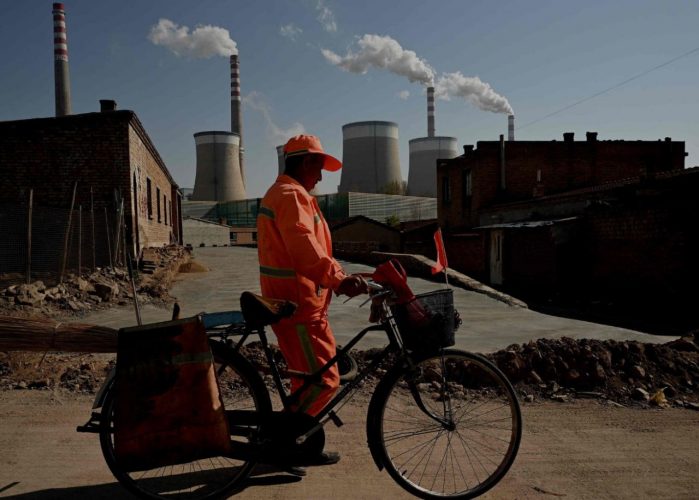
For the first time since the 1970s, Asian giants have reduced coal-fired power generation. This is a historic moment for the world's largest consumers of this type of fossil fuel. Experts believe that this trend could lead to a global reduction in greenhouse gas emissions.
According to The Guardian, this is evidenced by data from the Center for Research on Energy and Clean Air (CREA). There has not been a simultaneous decline in these countries since 1973. The reason for this was the large-scale development of clean energy infrastructure.
In India, electricity production at coal-fired power plants fell by 3%, and in China by 1.6%. At the same time, consumers did not experience an energy shortage, as it was offset by increased generation in the renewable energy sector.
These countries have a huge cumulative impact on global warming. China and India are responsible for 90% of global CO2 emissions growth between 2015 and 2024. Therefore, given the scale of their impact and consumption, the reduction of coal-fired power generation in these countries will change the level of emissions across the entire planet.
"Green" replacement
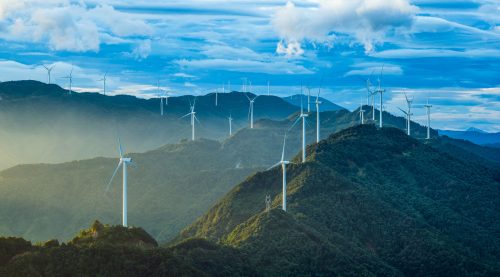
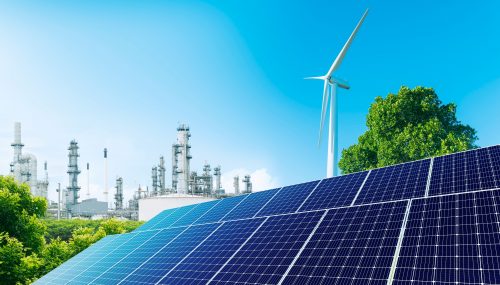
China remains the world leader in increasing clean energy generation. According to the report, last year alone, China added more than 300 GW of solar and 100 GW of wind capacity.
India also saw significant growth in the renewable energy sector. In 2025, the country increased its solar power generation by 35 GW, wind power by 6 GW, and added 3.5 GW of hydropower capacity. Compared to the previous five years, India's use of fossil fuels fell by 44%. According to analysts, this is the first evidence of the direct role of the growth of the renewable energy sector in the decline of the gas and coal sectors.
EcoPolitic reminds that the leaders of India and China decided to skip the COP30 conference last year, despite the fact that both countries remain the world’s largest polluters.
While the world is moving towards renewables, the United States has chosen to return to fossil fuels. Their actions, in particular statements on oil exploration in Venezuela, are raising concerns and could hinder the global shift to clean energy.