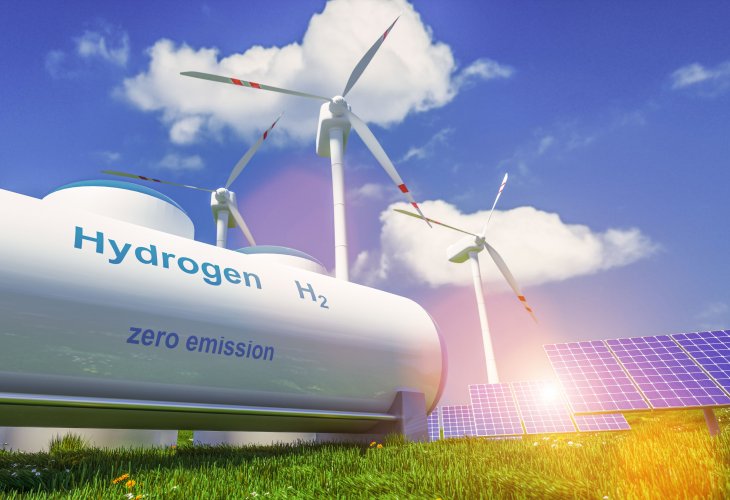
The European Commission has formally adopted two delegated acts defining detailed EU rules on renewable hydrogen.
The documents define what hydrogen can be considered "green" and the methodology for calculating greenhouse gas emissions during its life cycle., reports H2 View.
It is noted that the acts were studied in detail in the European Parliament and the Council of the EU and left them unchanged. The new rules will come into effect on July 10.
The article emphasized that the first act determines under what conditions hydrogen, hydrogen-based fuels and other energy carriers can be considered non-biological renewable fuels (RFNBO).
The document stipulates that green hydrogen will be produced exclusively from additional renewable power plants only during the hours when the RES station produces electricity in the area where the renewable facility is located. That is, with hourly temporal and geographic correlation.
It is noted that a number of representatives of the hydrogen industry called such standards too harsh.
For example, Hydrogen Europe CEO Yorgo Chatzimarkakis said that these requirements can be met, but this will increase the cost of hydrogen and limit its expansion potential.
The material said that the second delegated act provides a methodology for calculating greenhouse gas emissions over the life cycle for RFNBO. It takes into account emissions during:
- production;
- processing;
- transportation;
- associated with obtaining electricity from the network.
These acts are expected to provide regulatory certainty for investors. After all, the EU aims to achieve the capacity to produce 10 million tons of "green" hydrogen in the domestic market by 2030, which is envisaged in the REPowerEU plan.
The new rules will apply to both domestic producers and international producers exporting renewable hydrogen to the EU. The European Commission will be in close contact with stakeholders and certification schemes to support these rules.
Earlier, EcoPolitic wrote, that Germany agreed pool its hydrogen fund H2Global Foundation with the European Hydrogen Bank, which will open the possibility of financing for international imports of H2 for all member countries of the bloc.
As EcoPolitic previously reported, the Israeli Ministry of Energy and Infrastructure announced the launch of a comprehensive national plan integration of hydrogen into the energy sector countries.