The European Parliament has voted in favor of a number of exemptions for importers in the application of the carbon-based import adjustment mechanism (CBAM) proposed by the European Commission in February this year.
The announcement of the voting results was published on the website of this legislative body of the European Union.
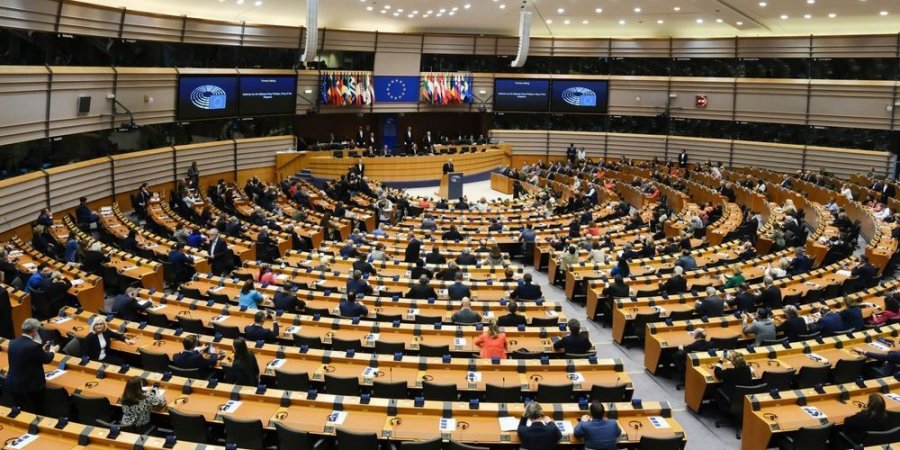
MEPs adopted the text with 564 votes in favor, 20 against and 12 abstentions. They adopted only technical amendments and supported a new minimum weight threshold of 50 tons. This will exempt 90% of importers – mainly small and medium-sized enterprises and individuals who import only small volumes of CBAM goods – from paying the duty.
The CBAM's environmental goals remain achievable, as 99% of total CO2 emissions from imports of iron, steel, aluminum, cement, and fertilizers remain covered by the rules.
For covered imports, the amendments also simplify the permitting process for parties wishing to import CBAM-covered goods (declarants), as well as the calculation of emissions and management of financial liability under the CBAM. At the same time, provisions aimed at combating abuse are being strengthened.
“I am glad that the Parliament decided not to open other provisions of the CBAM legislation. This approach allows us to simplify the work of companies without abolishing or weakening CBAM. We will continue to work quickly to ensure legal clarity and certainty for all CBAM stakeholders,” said MEP Antonio Decaro, rapporteur on the document, after the vote.
Next steps
The European Parliament is now ready to start negotiations with the EU Council on the final form of the legislation. And in early 2026, the European Commission will assess whether to extend the scope of CBAM to other sectors of the greenhouse gas emissions trading system where there is a risk of carbon leakage.
On May 15, the European Parliament's Committee on Environment, Climate Change and Food Safety approved the European Commission's proposal to simplify the carbon adjustment mechanism for imports.
At the end of February, EcoPolitics told about the easing of the CBAM mechanism for importers prepared by the European Commission.