On October 16, the updated Waste Framework Directive came into force in the European Union, introducing uniform Extended Producer Responsibility (EPR) rules for textile companies and setting mandatory targets for reducing food waste in the EU.
This was reported by the press service of the European Commission on its official website.
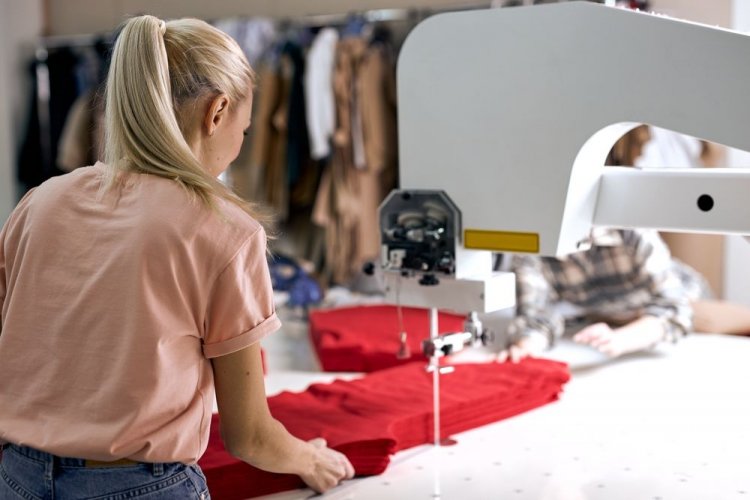
From now on, textile producers – from clothing brands to fabric manufacturers – will be responsible for collecting, recycling and disposing of their goods after use. This should reduce the amount of textile waste that goes to landfills and stimulate the development of reuse and recycling systems.
The EU Commission will conduct a comprehensive review of the textile industry by 2027 to better understand the causes of product loss in primary production.
In particular, Member States are required to meet binding food waste reduction targets by the end of 2025. In the food waste processing sector, the waste reduction target is 10%. And in retail, restaurants, food services and households, the target is 30%.
Requirements for EU Member States:
- Within 20 months, it is necessary to amend national legislation in accordance with the new Directive.
- Within 30 months, establish extended producer responsibility schemes for textile and footwear companies.
In particular, by January 17, 2026, each country must appoint competent authorities to coordinate food waste reduction measures. And by October 17, 2027, they must update their food waste prevention programs in accordance with EU requirements.
The new deadlines should ensure a gradual transition to a sustainable waste management model in all countries of the European bloc. According to experts, this is a step towards reducing pollution and protecting natural resources, as well as an incentive for the development of a green economy and innovations in textile and food processing.
Reason for introducing the Textile Waste Directive in the EU
The textile industry is one of the largest polluters in the world, and food waste is a major source of resource waste. Therefore, the new rules should help reduce environmental damage, increase the EU's economic resilience and create new opportunities for innovation in sustainable fashion and food.
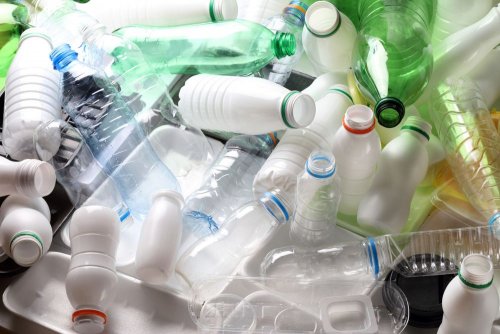
As a reminder, the European plastics industry is facing plant closures and could fall further behind global competitors in plastics recycling if urgent action is not taken.
Experts noted that plastic recycling volumes in Europe grew by 0.4% in 2024 after a record decline of 7.6% in 2023. In particular, global production of recycled plastic increased by 4.1% in 2024. However, Asia produced more than half, with China accounting for just over a third of the world's plastics.