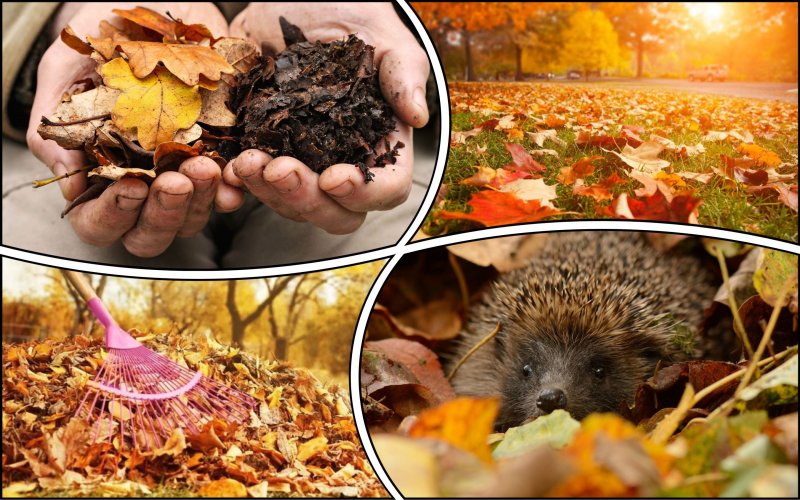
In autumn, trees shed leaves, which, according to barbaric tradition, people begin to burn. Such management is dangerous for the environment and human health, and also destroys biodiversity.
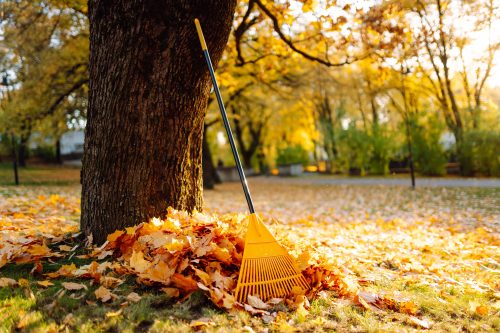
Environmentalists urge not to burn fallen leaves, but to compost them, as well as to leave part of the vegetation on the ground to create conditions for animals and insects to hibernate.
In the process of burning leaves, dangerous substances for living beings are released, in particular, carbon monoxide, soot, nitrogen oxide, benzopyrene and dioxins. One ton of burned leaves emits 30 kilograms of harmful substances into the air. Smoke from such fires can cause bronchial spasms, allergies, cough, dizziness. In addition, such bonfires can cause large-scale fires.
It should be noted that in Ukraine, burning of leaves and dry matter is prohibited and violators face fines:
- for citizens – from UAH 3,060 to UAH 6,120;
- for officials – from UAH 15,300 to UAH 21,420.
In addition, since March 2022 in Ukraine, dry burning is considered sabotage and a criminal offense punishable by imprisonment for a term of 10 to 15 years with confiscation of property.
One of the best ways to dispose of fallen leaves is composting. So leaves can be taken to a special station, or you can create a composter yourself.
To do this, you need to prepare a hole for leaves, cover it with earth and periodically moisten it. In 3-4 months, compost is formed — a popular organic fertilizer. K compost improves the quality and structure of the soil, in particular, provides better water permeability. This helps retain moisture and reduces the need to water the plants.
In this way, the compost returns to the soil the nutrients that the trees used for their growth.
In addition, composting leaves helps reduce the amount of organic waste that ends up in landfills. This helps to reduce the negative impact on the environment, because the leaves will not turn into landfill gas, and ensures the rational use of natural resources.
It is worth noting that some animals, such as hedgehogs and insects, need fallen leaves to make a place for wintering. If you do not clear green areas from fallen leaves "down to the ground", this will also help its inhabitants to survive the winter most successfully and protect the earth from frost.
Earlier, EcoPolitic wrote, that Ukrainian start-up Releaf Paper started building the first factory in France for the production of eco-packaging from fallen leaves.
Previously, EcoPoliti collected for its readers the main arguments about why dry grass should absolutely not be burned.