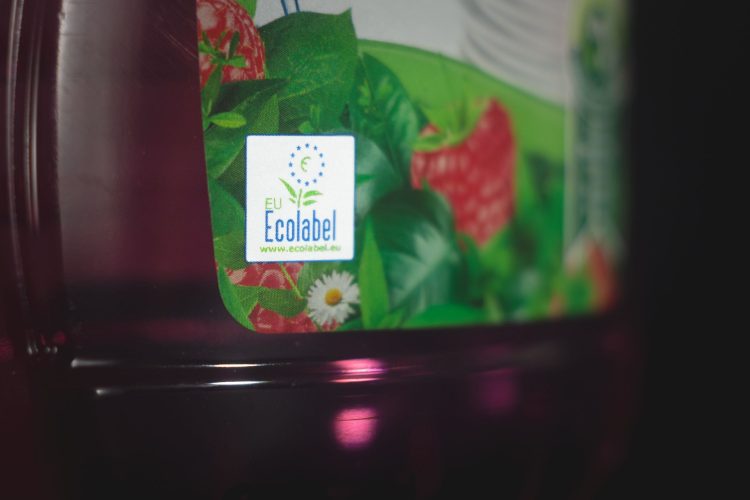
The drive towards circularity is a systemic strategy of the European Union. Environmental claims create certain expectations among consumers — regarding the durability of goods, the presence of harmful substances, and resource conservation during the production process. And it is eco-labelling that serves as the practical tool linking the lofty goals of the circular economy to the everyday choices Europeans make on a daily basis.
As emphasised by the European Commission, eco-labelling operates on three levels. Businesses can communicate their environmental values, thereby gaining consumer trust. Shoppers have more information about products, which helps to avoid uncertainty. For their part, public authorities can make greener decisions when procuring goods.
Eco-labelling criteria
The principles of circularity must be embedded right from the product design stage. This involves the use of safer materials, a longer product lifespan, the possibility of repair, more efficient use of resources, and a reduction in waste at the end of a product’s life cycle. It is precisely these criteria that form the basis of the EU Ecolabel requirements.
These requirements apply to a wide range of products. Each product group is subject to a specific set of standards. Here are a few examples:
cleaning agents and detergents – packaging, dosing, and restricted use of hazardous substances;
- paper products – responsible sourcing of raw materials, reduced emissions during production, improved resource efficiency;
- textiles – limitations on hazardous substances, product durability, and minimising negative environmental impacts during manufacturing;
- cosmetics – bans on unnecessary packaging, increased use of recycled materials, and renewable ingredients.
This is how the principles of the circular economy are turned into specific requirements for individual products. Ecolabelling helps manufacturers comply with environmental goals and makes their progress visible to consumers.
However, trust is fundamental to this transition. Therefore, broad market acceptance is only possible when both authorities and consumers can rely on the information provided.
“The EU Ecolabel serves as a sandbox for the circular economy where companies can test, verify, and market environmentally friendly products, reducing the risks of tomorrow’s regulatory barriers. For both small enterprises and multinationals, it is a smart way to turn compliance into a competitive advantage,” highlighted Malgorzata Golembiewska, Head of the EU Ecolabel Team at the European Commission.
Proven impact
An additional argument in favor of developing the system is a recent scientific study showing a positive relationship between the spread of ecolabelling in EU countries and the level of secondary materials use within their economies.
The authors concluded that states where ecological labelling is more widely adopted typically demonstrate better results in resource reuse, reduced consumption of primary raw materials, and circular economy implementation.