On June 25, the Danish government approved the introduction of Europe's first carbon tax on agricultural emissions. Starting in 2030, farmers will have to pay 120 Danish kroner (€16) per metric ton of carbon dioxide equivalent emissions, and in 2035 the rate will almost triple to 300 kroner (€40).
Politico writes about this.
The decision was preceded by 5 months of negotiations with Danish farmers and environmental groups. The result was an agreement signed on Monday evening, June 24.
The publication also reports that the Danish government has pledged to allocate €5.3 billion to reforest 250,000 hectares of agricultural land by 2045, reserve 140,000 hectares of lowland land by 2030, and buy out certain farms to reduce nitrogen emissions.
Danish Economy Minister Stefanie Lose said the agreement "will form the basis for a historic reorganization and restructuring of land resources and food production in Denmark." The document still needs to be approved by the parliament, which will meet after the summer vacation.
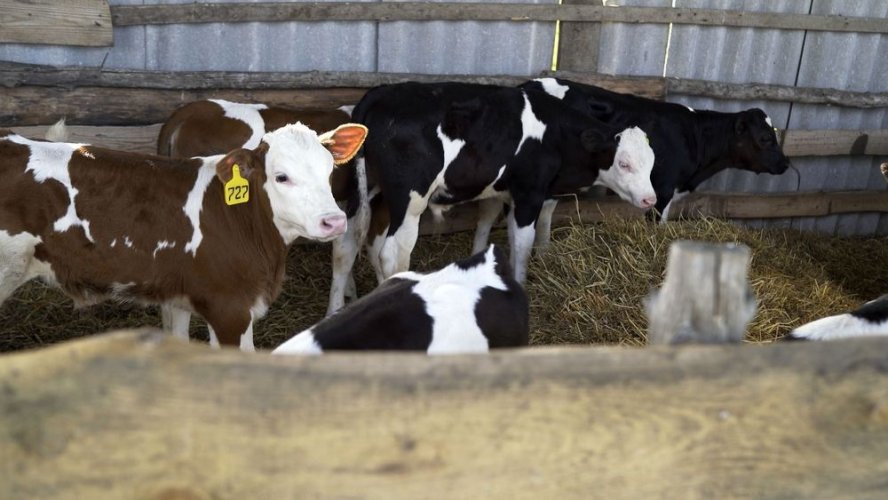
In its story, Politico noted that Denmark is a giant exporter of pork and dairy products, and that by 2030 agriculture is projected to account for 46% of the country's emissions.
Experts believe that the tax on carbon emissions will reduce emissions by 1.8 million tons in 2030 – already in the first year of its operation. This will allow Denmark to achieve its goal of reducing total emissions by 70% by this year.
Earlier, EcoPolitic informed that Denmark wants to completely abandon natural gas by 2030.