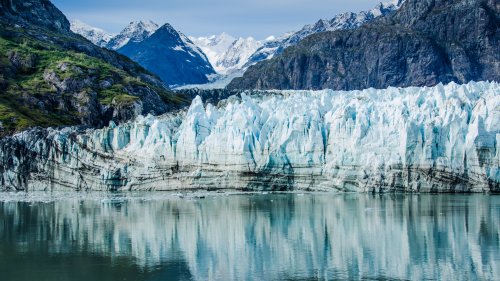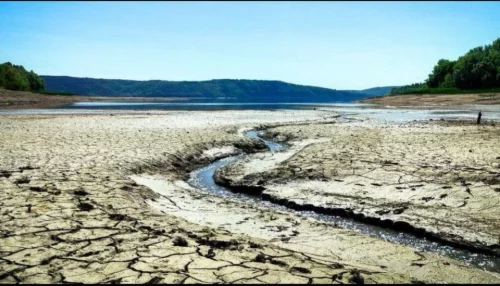
Global warming has already raised temperatures in Europe by an average of 1.25°C, and in some places, temperatures have risen by a staggering 5.7°C. However, climate change is reflected not only in thermometer readings but also in rising costs for Europeans. Specifically, global warming alone is already responsible for 0.3% of inflation in the EU in 2025.
This is reported by Bloomberg.
In 2025 alone, the heat wave led to a 0.7% increase in food prices. This was a unique instance where economists were able to quantify “climate inflation.”
Impact at all levels
In reality, it is extremely difficult to calculate exactly how much global warming costs each citizen. Extreme weather conditions and natural disasters have a direct economic impact. Heat warps road surfaces and railroad tracks, requiring funds for repairs. Droughts destroy crops, and heat increases the use of air conditioning.
“As extreme weather events become more common, price spikes once thought to be temporary may turn into something more lasting – a powerful new force that can further disrupt the budgets of households and nations already suffering from the affordability crisis,” Bloomberg writes.
However, an exact figure requires careful and lengthy analysis. Water bills increase, coffee becomes more expensive. But how much of this is due specifically to warming? Researchers must consider all factors, recessions, and differences between countries. In such cases, we are always dealing with a complex chain of events, and isolating the impact of each is challenging.
Central banks are currently at the forefront of climate inflation studies. Previously, weather-related price surges were easier to track, but now that economic vulnerability has increased, the effects of climate are no longer short-term.
The easiest impact to track is on food prices. The latest research points to a 1.2% annual increase up to 2035. In Europe, this figure could reach 0.76%, which is significant given the overall inflation rate of 2%.
The cost of food is set to grow the most – approximately 3% per year. This is mainly due to heat and reduced crop yields. Natural disasters also play a role. For example, storms make fish and beans more expensive, while droughts drive up meat prices.
“In developing countries, each increase in temperature anomaly by 1°C leads to inflation rising by about 1% in roughly three months,” said Fulvia Marotta, a climate change economics researcher at the University of Oxford.
EcoPolitic previously reported on the impact of climate change on Ukraine's agricultural potential. Experts give 7–10 years to adapt to the new conditions – diversify crop structures and move cultivation to the west and north.
We have also reported on the impact of global warming on coffee prices. Leading producers are now suffering from extreme heat, which affects yields and prices worldwide.