The EU carbon tax, CBAM, will come into force in 2026 and will collect payments on products with high CO2 emissions. However, the mechanism will have a limited impact on Ukraine’s economy and will not serve as a pathway to decarbonisation.
This is stated in a study by Green Deal Ukraїna, reported by the Interfax-Ukraine agency.
Experts say that for Ukrainian enterprises, the impact of the CBAM mechanism will be limited because European producers will also face new environmental challenges. Beginning in 2026, all European enterprises will lose free emission allowances, and they will have to purchase CBAM certificates.
Georg Zachmann, scientific director of the Green Deal Ukraїna project, notes that this will create a level playing field in the market between EU and non-EU manufacturers. Ukraine would not only gain an advantage over European manufacturers but also over all countries exporting their products to the EU.
According to specialists, CBAM will have the greatest impact on the energy sector and metallurgy. After its implementation, production may decline; however, there will be growth in sectors where CBAM’s effect is limited. Forecasts indicate that the agricultural sector and light industry will rapidly develop.
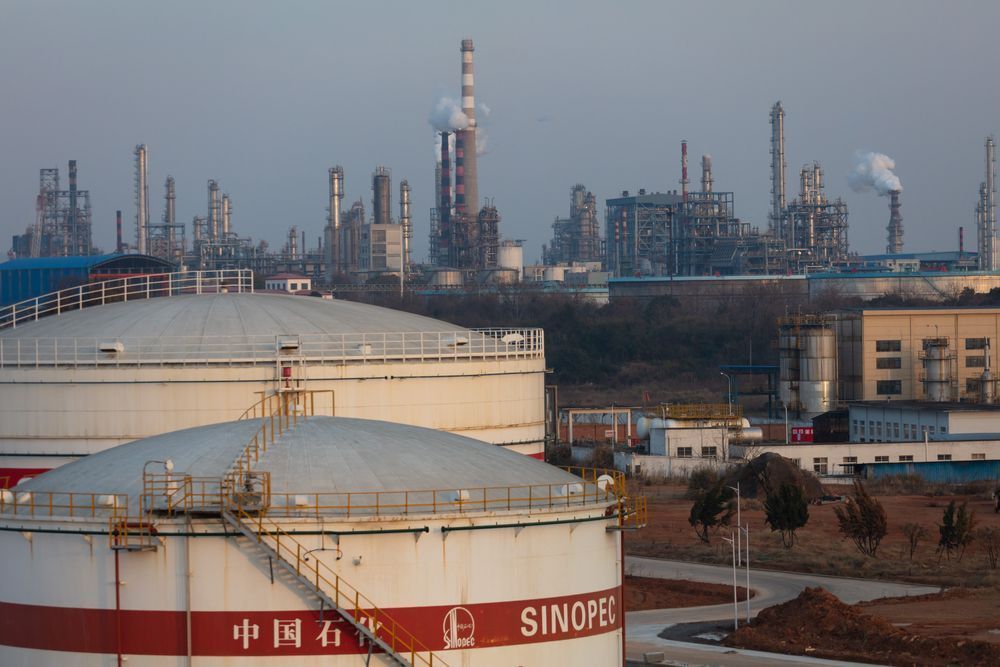
“If you introduce CBAM, the overall impact on Ukraine’s economy will be quite limited, but the steel sector will reorient to other regions and decrease exports to the EU,” said Zachmann.
Experts forecast reduced production in all sectors with excessive pollutant emissions. Cement exports will decline by almost 14% by 2035 compared to scenarios without CBAM. The energy sector will shrink by almost 9%, and exports of pig iron and iron will fall by 3.1%.
Specialists report that the introduction of CBAM will slow economic growth by around 6%. Ukraine will reduce emissions by only 0.3–0.8 per year.
The introduction of CBAM alone is insufficient for protecting Ukraine’s environment, since real change is possible only through implementation of domestic reforms to reduce greenhouse gas emissions.
As EcoPolitica previously wrote, Ukraine will have to purchase CBAM certificates to continue trading with the EU.