The fight against climate change requires a radical reduction in the production, use, and disposal of plastic, as this industry generates 2 billion tons of greenhouse gas emissions – about 3.4% of all anthropogenic emissions.
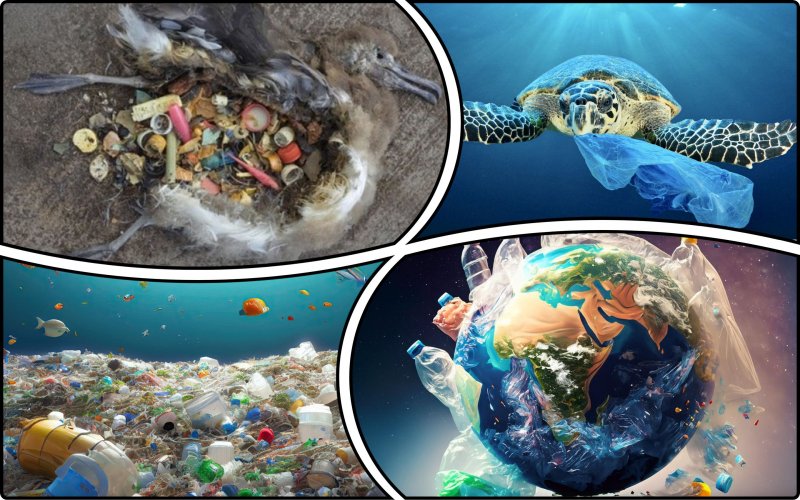
In addition to emissions, plastic causes large-scale pollution, which annually poses a deadly threat to more than a million seabirds and 100,000 marine mammals, Environment+Energy Leader reports.
It is noted that plastic has a negative impact on the environment at all stages of its life, namely during
- oil production – raw material for plastic production. Thus, 14% of all extracted oil is intended for the production of plastic;
- production – about 60% of emissions from plastic products are generated at this stage. Despite the advent of bioplastics, the industry is still heavily dependent on fossil fuels, with only a small proportion coming from recycled materials;
"The path of plastic from creation to disposal is obscured by emissions, 29% of which are distributed. The high demand for plastic, primarily for packaging, requires a lot of logistics and transportation, which is even more affected by fossil fuels," E+E Leader emphasized.
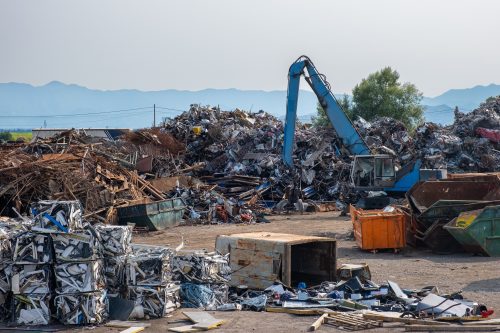
- disposal – only 9% of the world's plastic waste is recycled, and the rest ends up in landfills or incinerators. In nature, plastic decomposes with the formation of methane and ethylene, and also breaks down into small particles (microplastic). This problem is exacerbated by the fast fashion industry, which uses synthetic fabrics;
- pollution – every year, birds, fish and other animals in the world's oceans swallow plastic and become entangled in such garbage. Plastic pollution can destroy the habitats of approximately 700 species.
The article explained that the most effective strategy against plastic pollution is to reduce consumption, including more use of natural fabrics, reusable dishes and bottles, and changing consumer behavior.
In addition, the transition to a circular economy, which involves recycling and reuse, will help to overcome plastic pollution.
"While reducing plastic waste in the future is imperative, tackling the current level of pollution is no less important," E+E Leader emphasized. "Global cooperation and expanded recycling infrastructure are needed to make a significant impact."
It is noted that for plastic that cannot be recycled, it is necessary to find more environmentally friendly methods of utilization, such as its use in cement production.
To recap, a report by the environmental group Oceana showed that the world's largest online company Amazon generated more than 97 million kilograms of plastic packaging waste in 2021, which can wrap the Earth more than 800 times.
As EcoPolitic previously reported, scientists in the Canary Islands have discovered a new type of coastal pollution, consisting mainly of oil and plastic, which they proposed to call "plastitars."